PhotoFovea Learn —
The Study of Photography

PhotoFovea Learn is a year-long, sequential photography curriculum designed to be read from the top down like a textbook. Each lesson builds on the last so concepts compound naturally. Moreover, the series pairs clear definitions with practical exercises, helpful visuals, and short references so knowledge turns steadily into photographic skill.
Learn Lesson Directory
Start at the beginning and progress forward through the lessons. The visual lesson cards below provide the easiest path into the current curriculum.

Lesson 1 — Camera Obscura: How Light Becomes Image
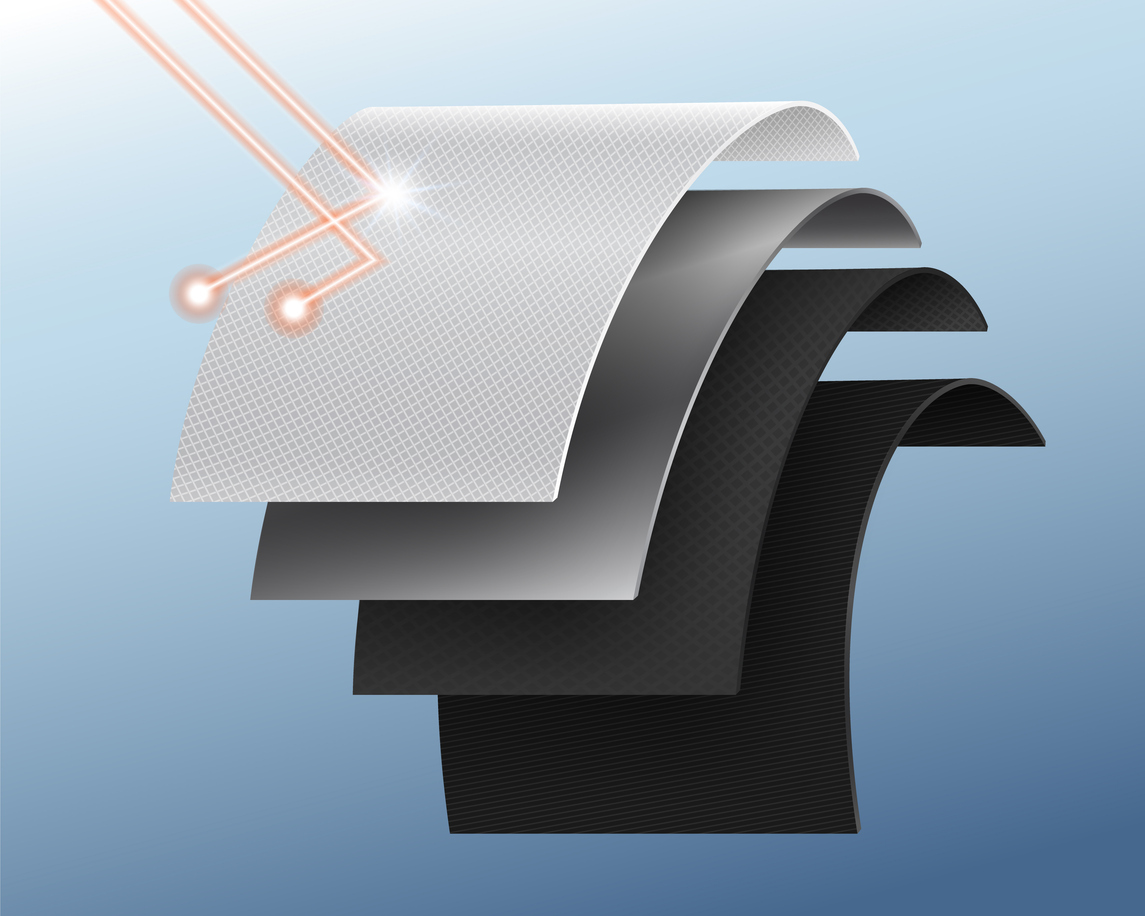
Lesson 2 — Light-Sensitive Materials: Capturing the Image
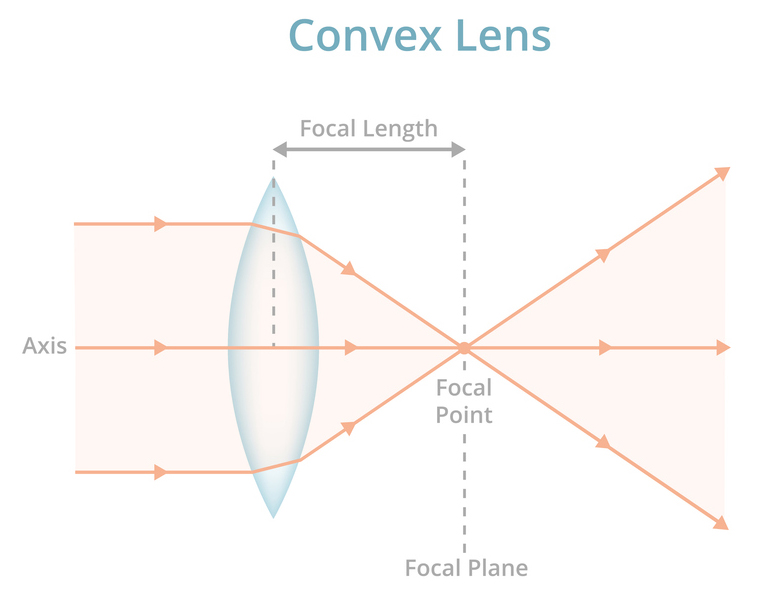
Lesson 3 — Lenses & Focal Length: Bending Light to Focus an Image
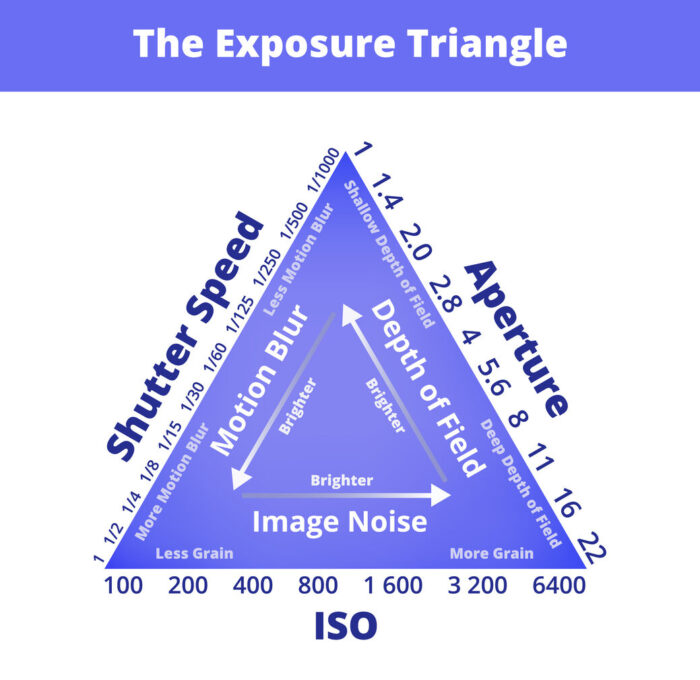
Lesson 4 — The Exposure Triangle: Balancing ISO, Aperture, and Shutter Speed
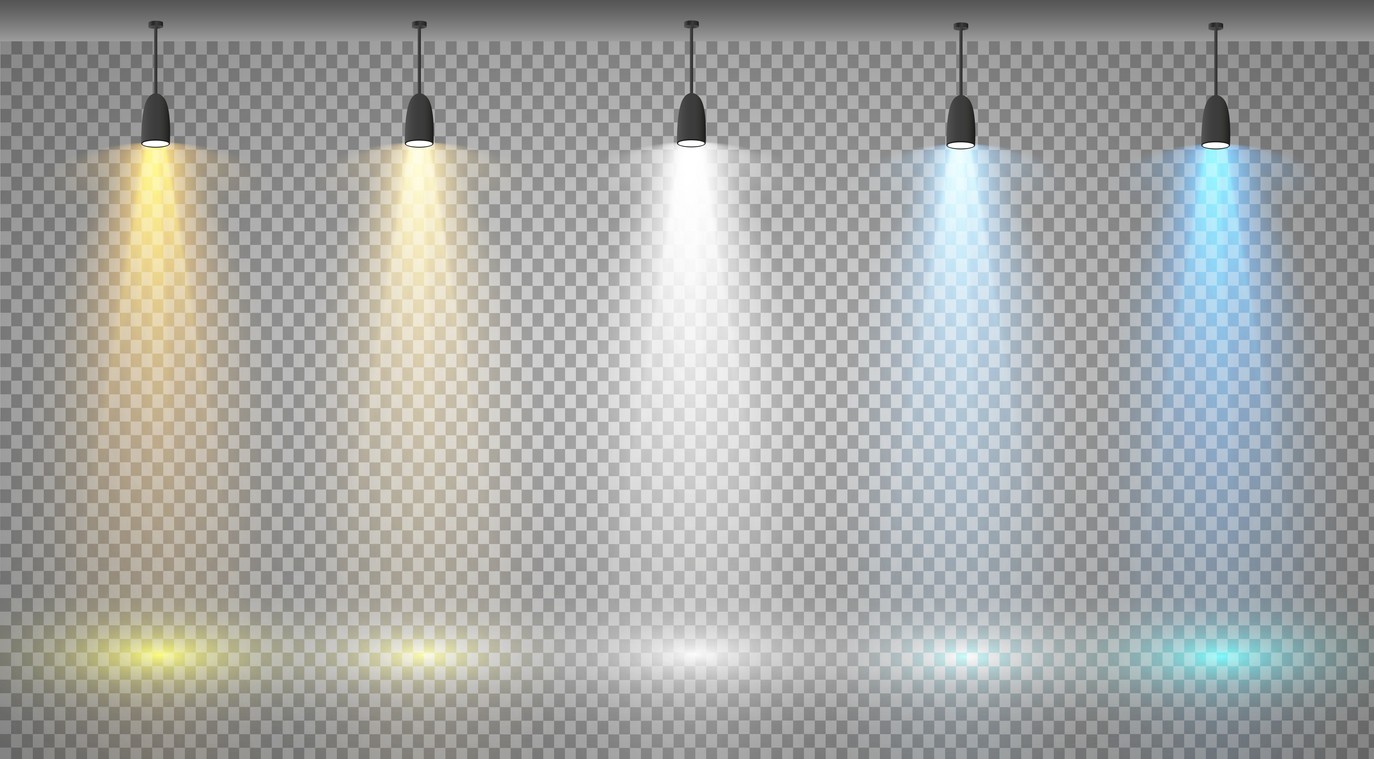
Lesson 5 — What Is Light? The Photographer’s Raw Material
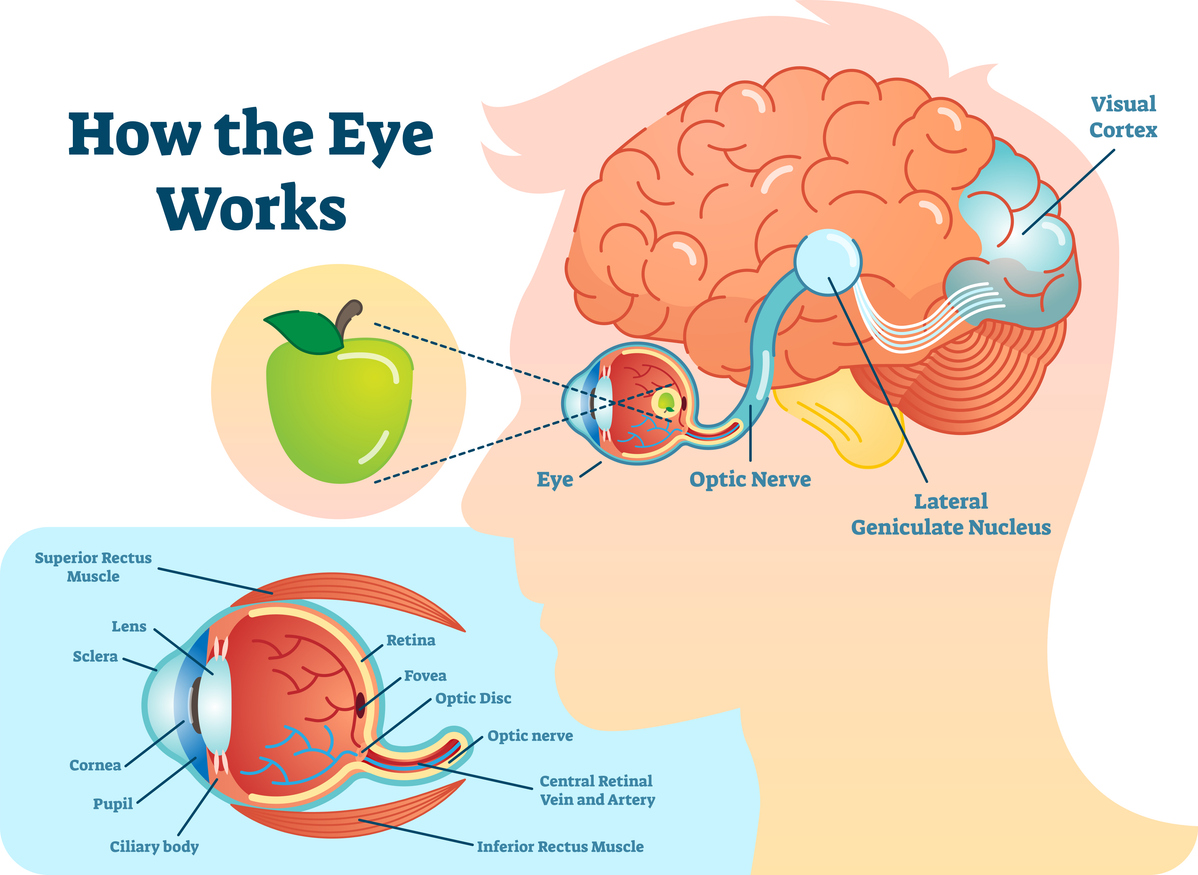
Lesson 6 – The Physics of Vision: Why the Eye Loves Contrast
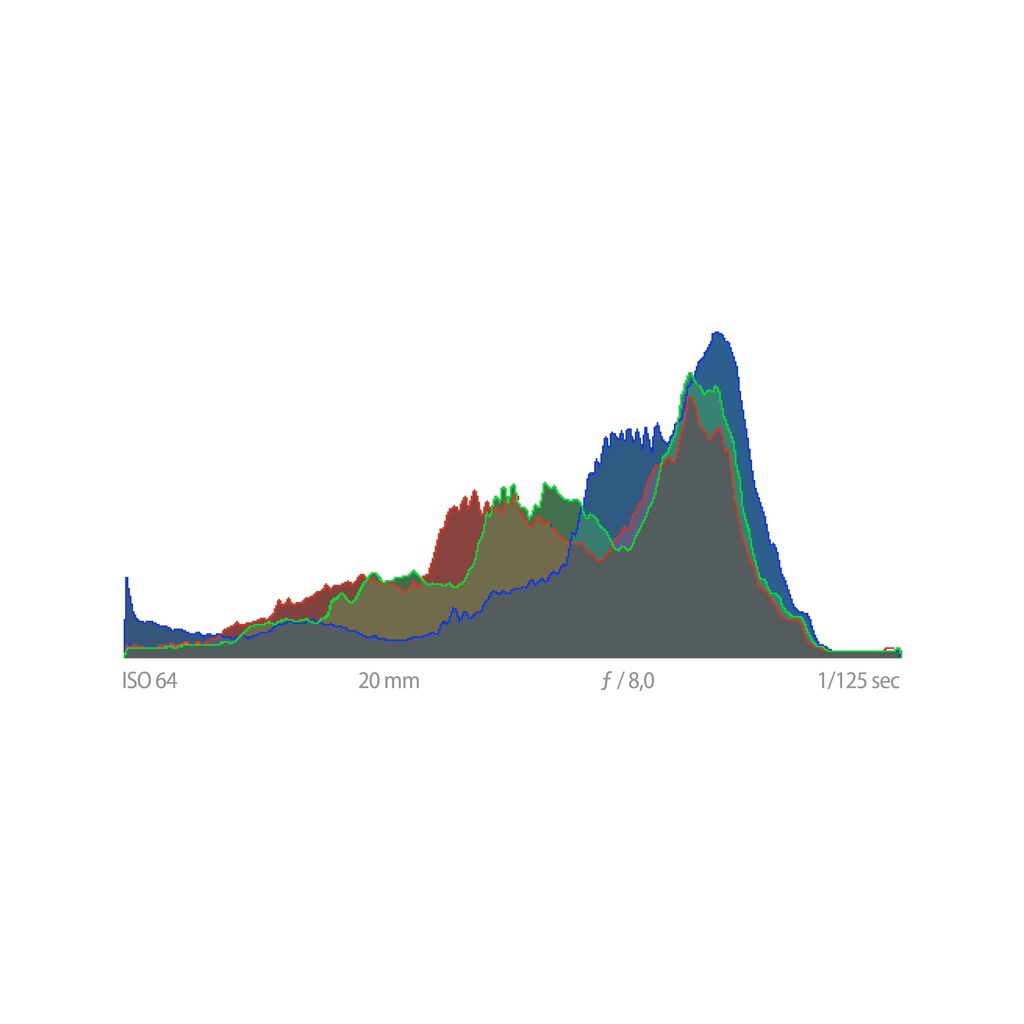
Lesson 7 – Histograms & Tonal Mapping — Reading the Hidden Story

Lesson 8 – Dynamic Range & Sensor Latitude: How Much Light Your Camera Can Hold
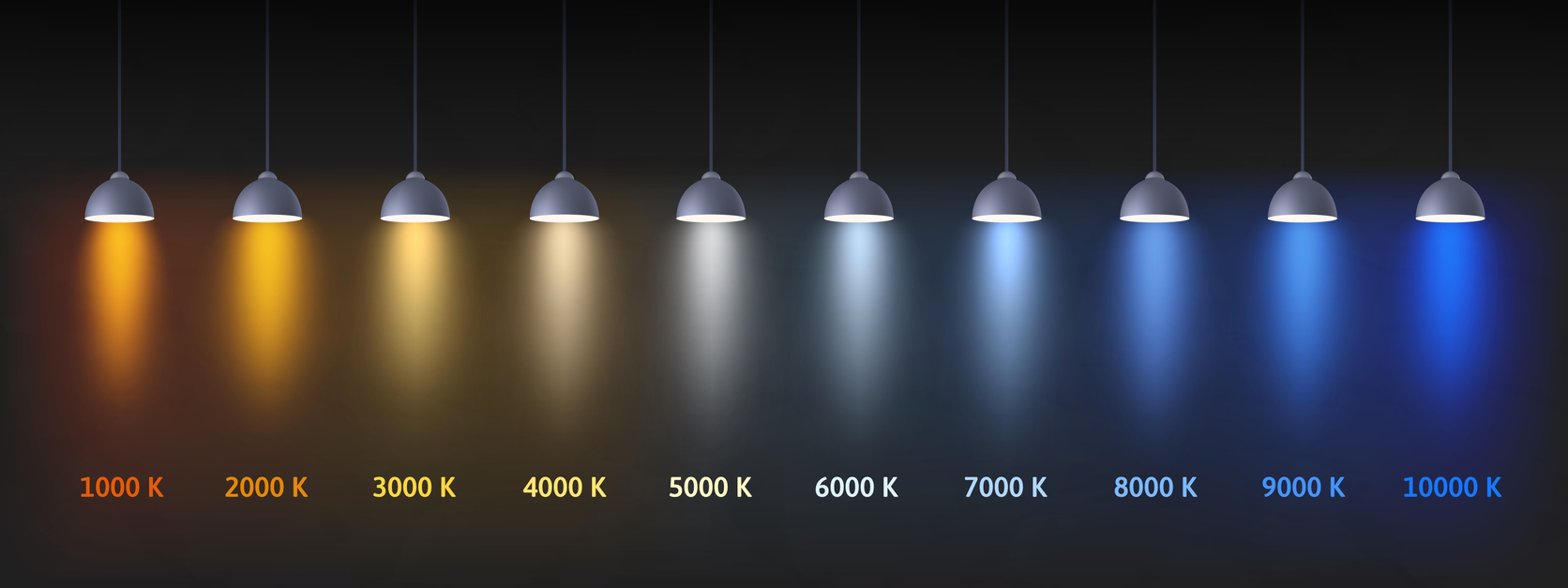
Lesson 9 – The Color of Light: Kelvin, Tint, and Emotion

Lesson 10 – The Direction of Light: Sculpting Depth & Form

Lesson 11 — High-Key & Low-Key Lighting Strategies

Lesson 12 – Light Quality in Photography: Soft vs Hard Light

Lesson 13 — Practical Exercise: Photographing with Purposeful Light
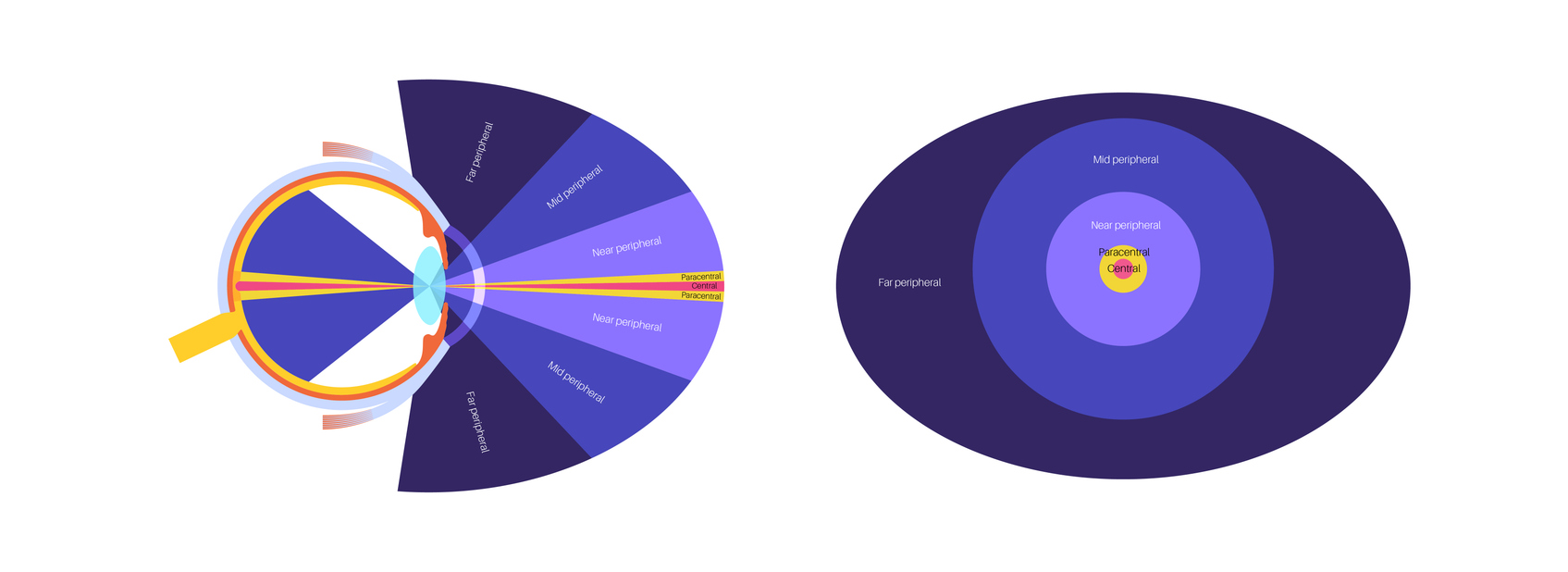
Lesson 14 – How We See in Photography: The Fovea & the Frame

Lesson 15 – Gestalt Principles in Photography: Composition
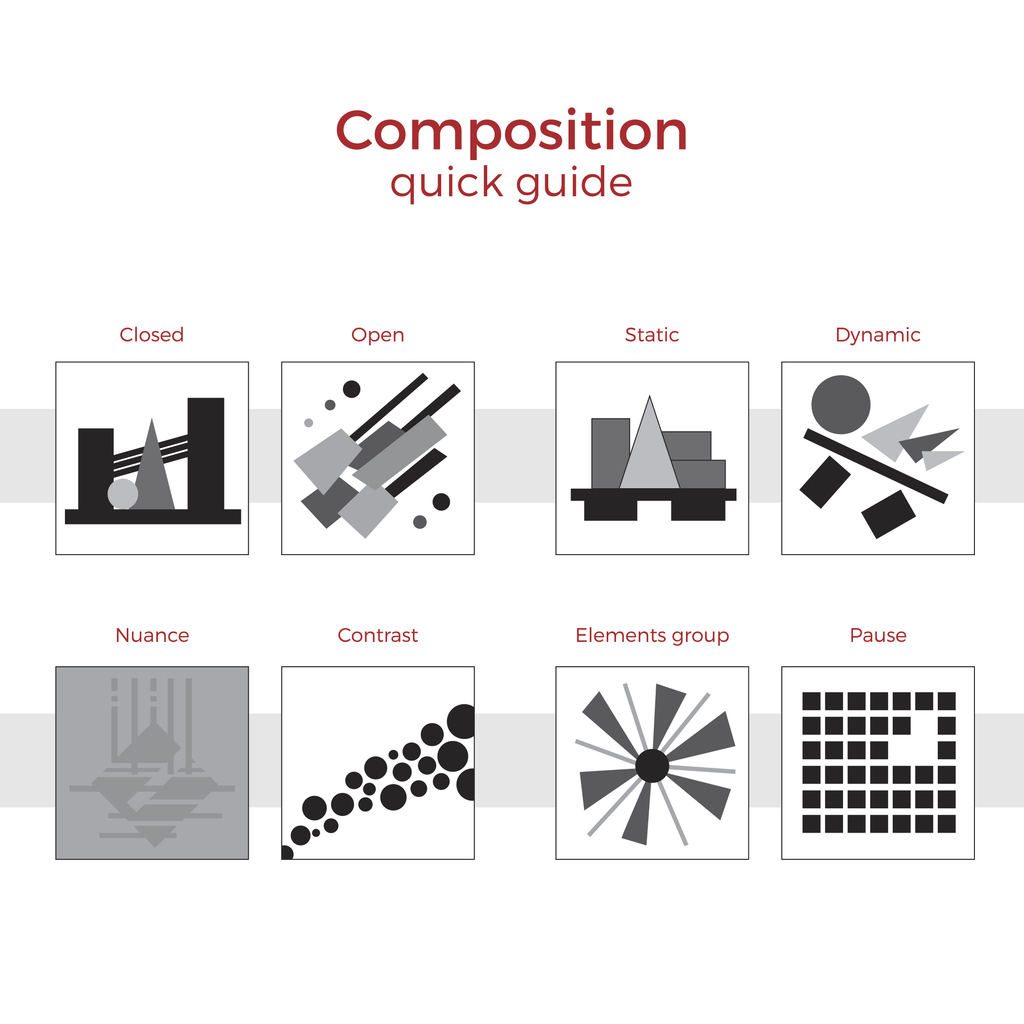
Lesson 16 – Balance in Photography Composition: Symmetry & Tension
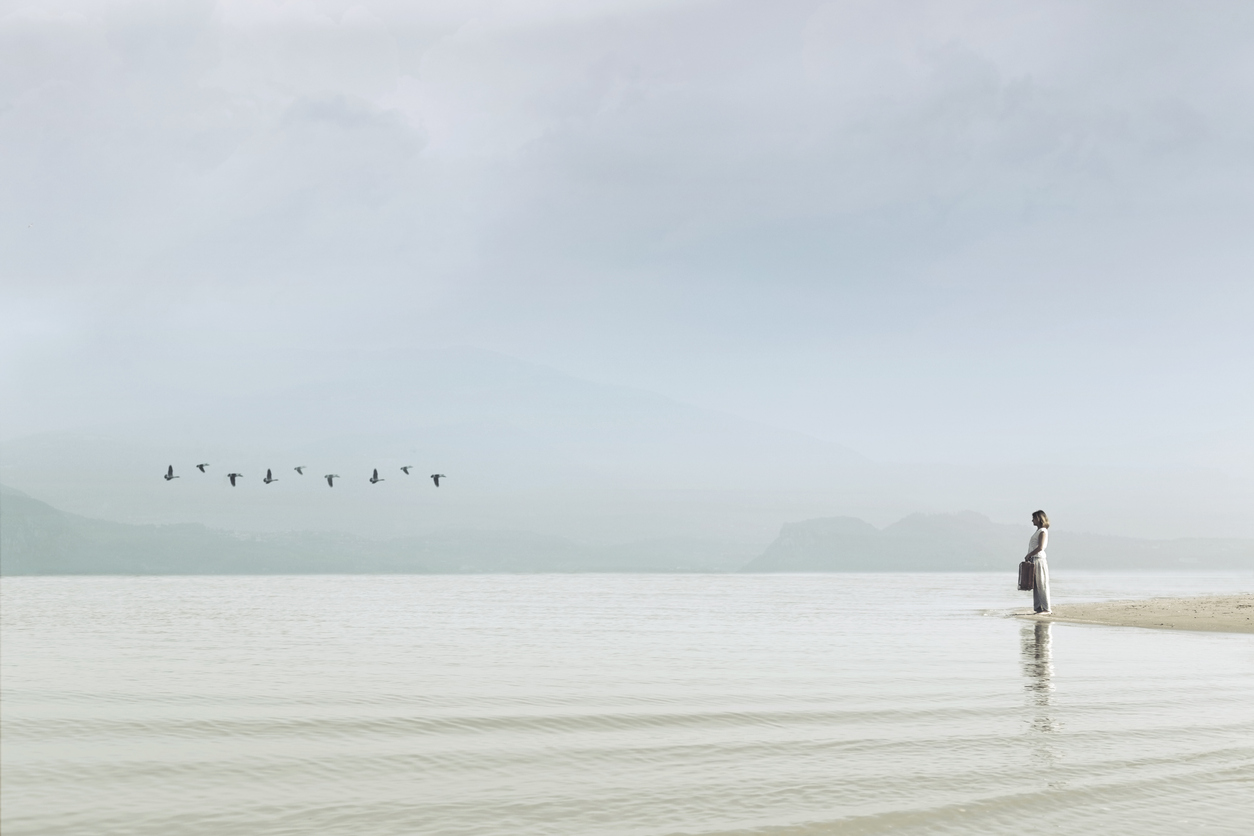
Lesson 17 – Negative Space in Photography: Silence & Emphasis

Lesson 18 – Leading Lines in Photography: Perspective & Flow

Lesson 19 – Depth in Photography: Layers, Focus & Parallax
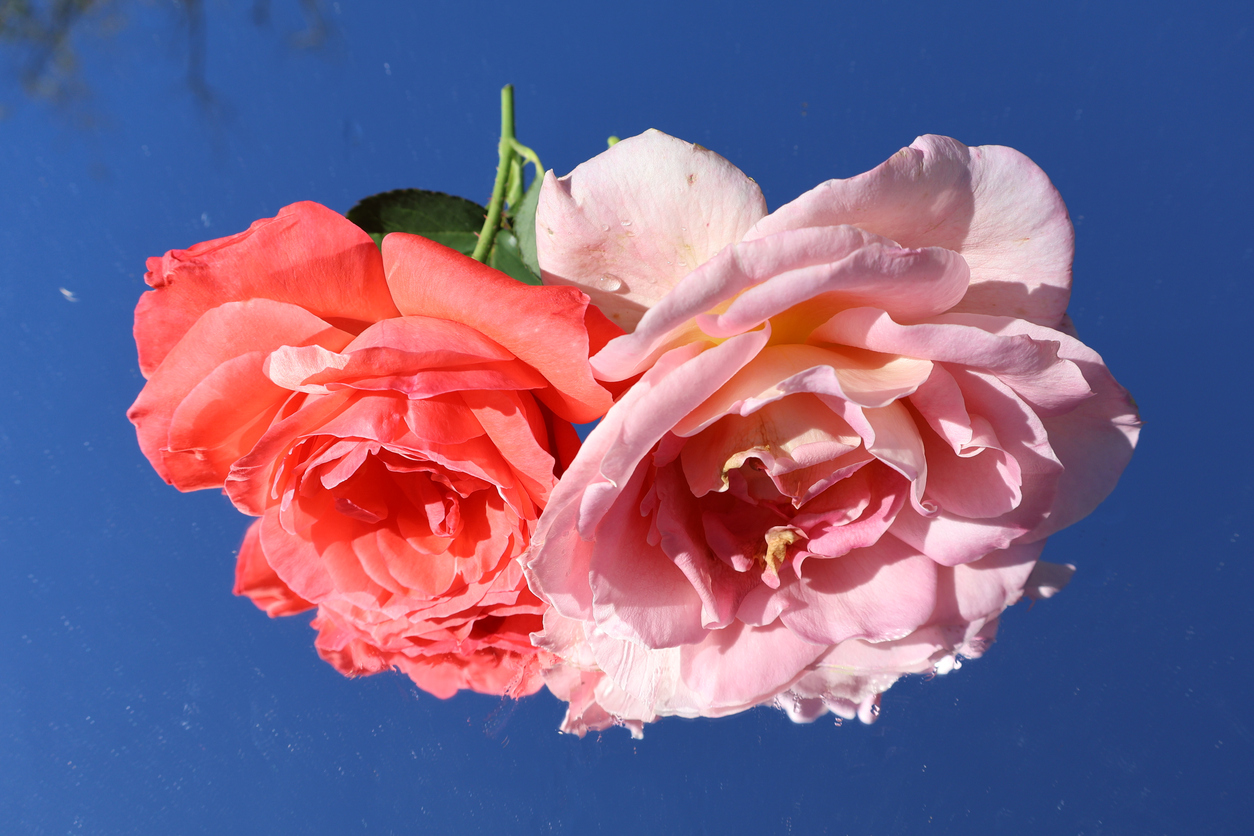
Lesson 20 – Color Harmony in Photography: Visual Weight & Mood

Lesson 21 — Visual Rhythm in Photography: Repetition, Pattern, and Flow

Lesson 22 — Visual Hierarchy in Photography: Guiding the Eye with Intention

Lesson 23 — Tonal Dominance in Photography: Controlling Light and Shadow

Lesson 24 — Contrast in Photography: Beyond Light and Dark

Lesson 25 — Visual Balance in Photography: Stability, Tension, and Intent

Lesson 26 — Depth in Photography: Layers, Perspective, and Spatial Illusion

Lesson 27 – Visual Tension in Photography

Lesson 28 – Minimalism in Photography: The Power of Less
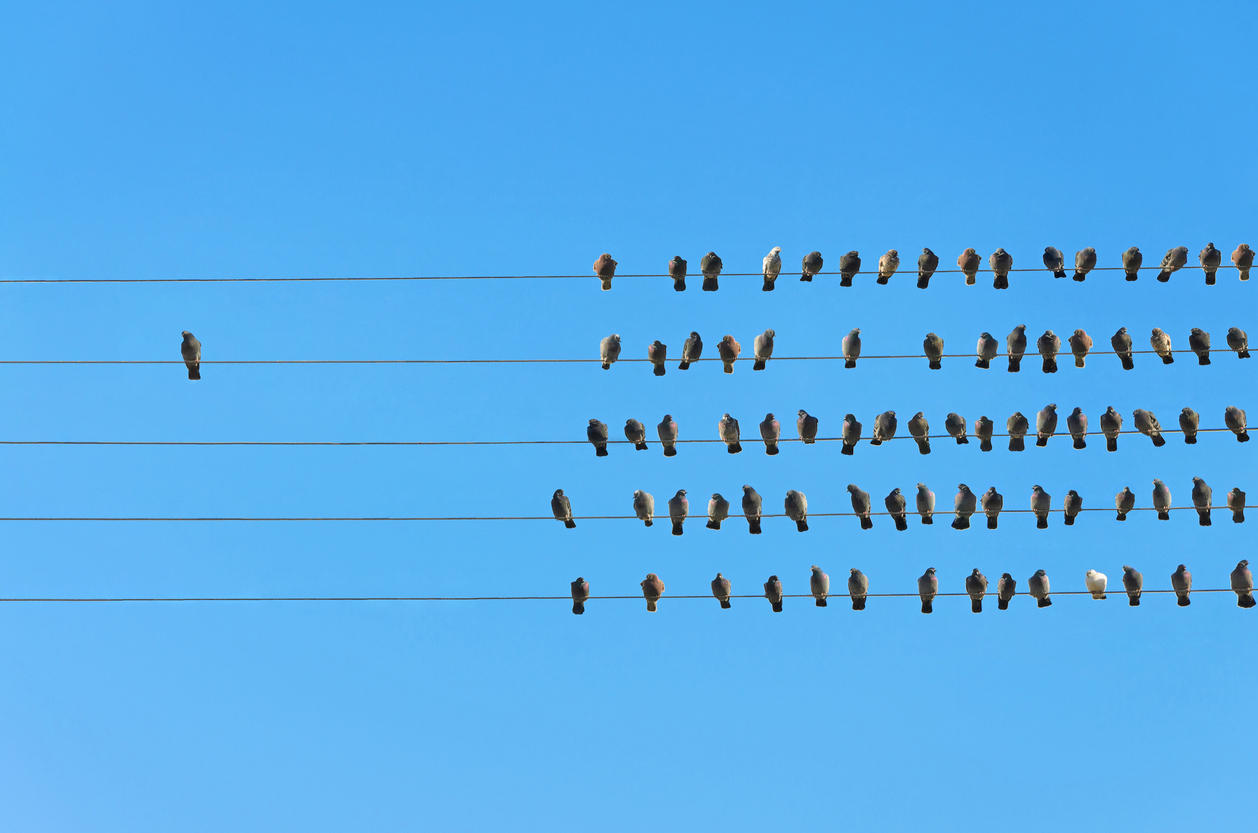
Lesson 29 – Visual Flow in Photography
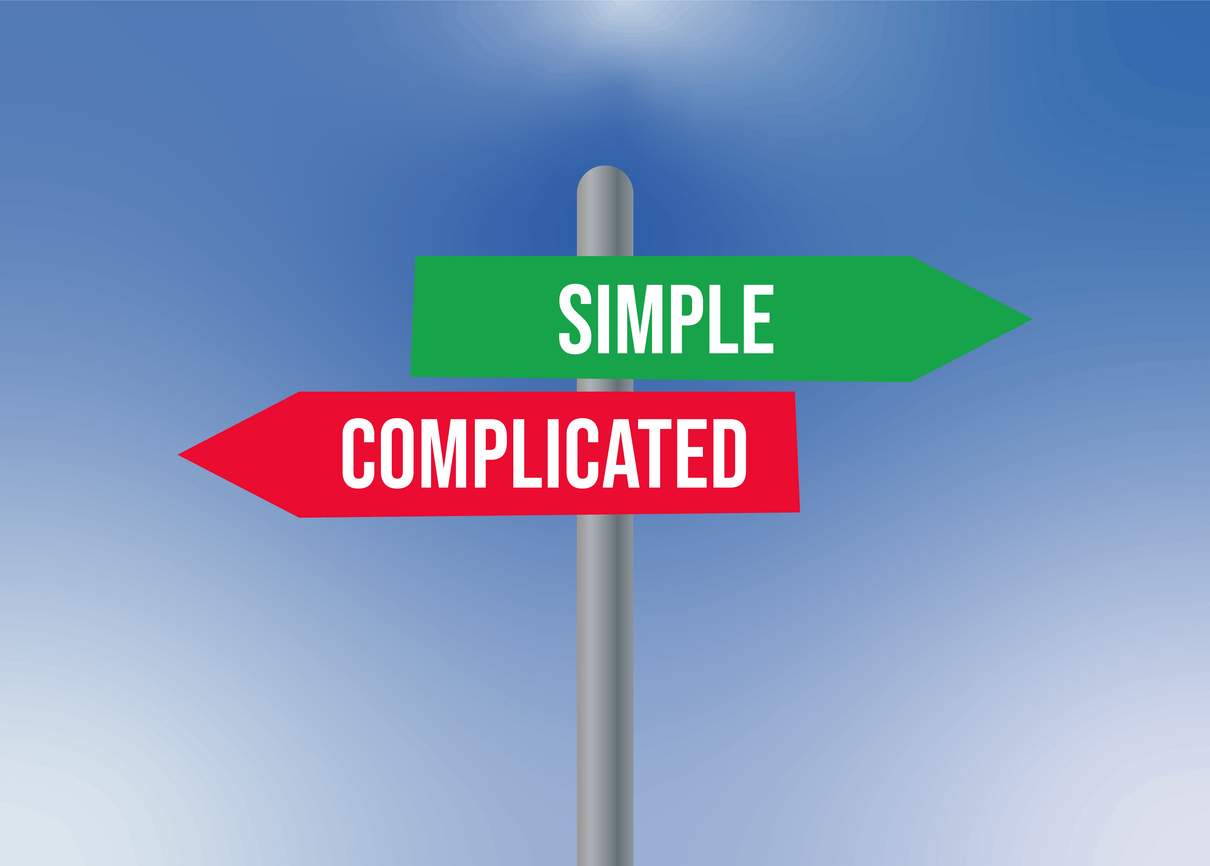
Lesson 30 – Complexity vs Simplicity in Photography
Storytelling in Photography: Lesson 31

Symbolism in Photography: Lesson 32

Emotional Impact in Photography: Lesson 33
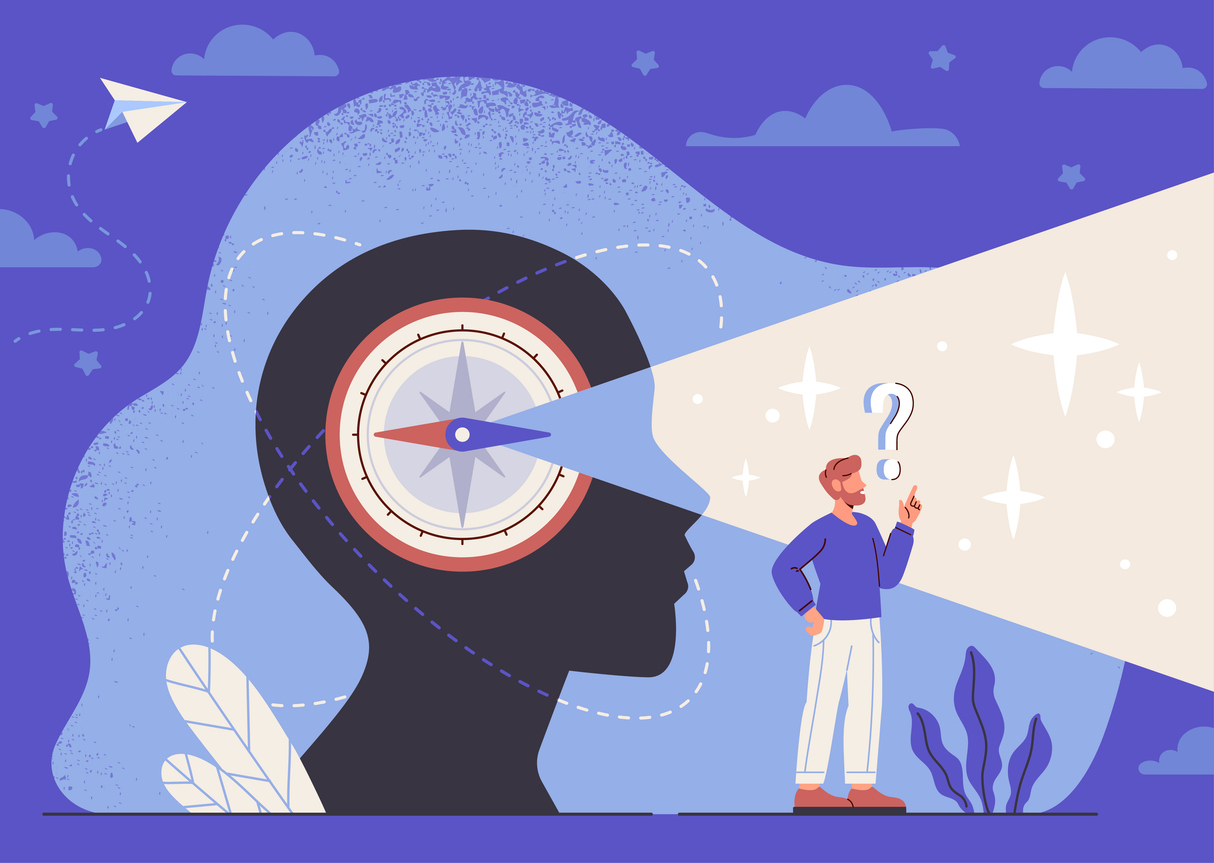
Viewer Perception in Photography: Lesson 34

Photographic Voice: Lesson 35

Presence in Photography: Lesson 36

Time in Photography: Lesson 37

Wonder in Photography: Lesson 38
Text Lesson Index
Prefer a compact reading list? Use this text index to move through the Learn series in order.
How to Use PhotoFovea Learn
We begin with first principles: straight-line light, the pinhole, and the camera obscura. Then, we connect the ideas to real-world practice in Create. When you want the “why” behind the work, return to Envision.
- Read lessons in order because each one builds on previous vocabulary and concepts.
- Practice intentionally by repeating field drills with one variable at a time.
- Review histograms and contact sheets to build stronger diagnostic habits.
- Finally, tie lessons to editing and printing by pairing them with Create.
Ultimately, this series favors clarity over jargon. Therefore, we move steadily from physics and perception to camera control and composition, then onward to editing and print preparation. In short, PhotoFovea Learn offers a disciplined path to photographs that feel intentional, balanced, and enduring.
Search Across All PhotoFovea Posts
Search across Learn, Envision, and Create.