Vision and reflection — where perception becomes art.
PhotoFovea Envision is the reflective counterpart to Learn and Create—notes on seeing, intent,
sequencing, and the ideas behind the work. These reflections are designed to slow perception and deepen awareness,
helping photographers move beyond documentation toward visual meaning and personal voice.
Reflection Directory
Explore essays, prompts, and meditations designed to deepen perception, strengthen visual awareness,
and refine artistic intent.
“There is nothing in the world so much like prayer as music is.” — William Shakespeare Silence in Photography: The Empty Space Between Images Silence in photography gives images room to breathe. It creates pause, mystery, and emotional space between …
“The whole is greater than the sum of its parts.” — Aristotle Photographic Series as Story: Letting Images Speak Together A photographic series as story allows individual images to gather meaning through rhythm, relationship, and progression. One image can suggest; …
“Do not seek to follow in the footsteps of the wise; seek what they sought.” — Matsuo Bashō Consistency vs. Variation in Photography: Building a Cohesive Body of Work Consistency and variation in photography work together. Consistency gives a body …
“You don’t take a photograph, you make it.” — Ansel Adams Editing as Interpretation in Photography: The Second Act of Seeing Editing as interpretation in photography means the image is not finished when the shutter closes. The photographer must see …
“The enemy of art is the absence of limitations.” — Orson Welles Creative Constraint in Photography: Why Limits Create Freedom Creative constraint in photography is not a restriction on imagination. Instead, it sharpens attention until the strongest image has room …
“Style is a way to say who you are without having to speak.” — Rachel Zoe Finding Your Photographic Voice: When Seeing Becomes Recognizable Your photographic voice is not something you invent—it is something that reveals itself when your way …
“A work of art is the trace of a magnificent struggle.” — Robert Henri Clarity of Intent in Photography: The Invisible Beginning of Every Image Clarity of intent in photography is the quiet force that shapes what you see, what …
“If I create from the heart, nearly everything works; if from the head, almost nothing.” — Marc Chagall Creative Courage in Photography: Seeing Without Permission Creative courage in photography begins the moment you stop waiting for outside approval and start …
“To photograph is to hold one’s breath.” — Henri Cartier-Bresson The Decisive Moment Revisited: Beyond Speed, Toward Awareness The decisive moment in photography is not a reflex—it’s awareness made visible. When you learn to notice what is forming, timing stops …
“To pay attention, this is our endless and proper work.” — Mary Oliver Patience in Photography: The Art of Waiting Patience in photography is not passive—it’s a creative stance. When you slow down on purpose, the world starts to offer …
“You don’t take a photograph, you make it.” — Ansel Adams Time as a Creative Tool: Photographing the Unseen Moment The decisive moment is only one kind of time. However, photographs can also hold waiting, duration, and return. What the …
“A good photograph is knowing where to stand.” — Ansel Adams Mood Before Subject: Photographing Feeling First Sometimes the subject is ordinary. However, the atmosphere is unforgettable. Begin with mood—and let the scene reveal its meaning. When mood leads, the …
“Photography is a way of feeling, of touching, of loving.” — Aaron Siskind Photographing Absence: What Isn’t There Sometimes the most powerful subject is the one that has already left. Absence can shape a photograph more deeply than presence. The …
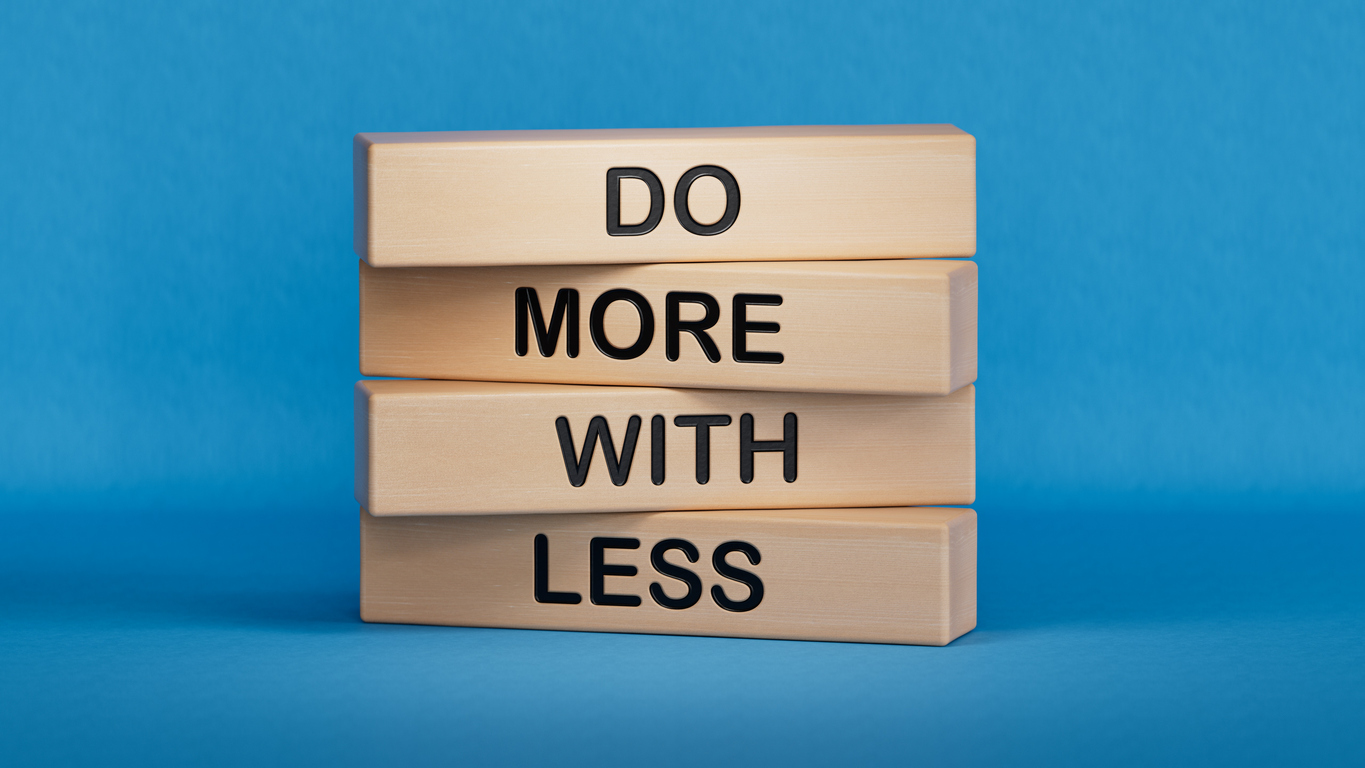
“Perfection is achieved, not when there is nothing more to add, but when there is nothing left to take away.” — Antoine de Saint-Exupéry The Power of Restraint: When Less Becomes More Restraint is not absence. Instead, it is intention …
“The real voyage of discovery consists not in seeking new landscapes, but in having new eyes.” — Marcel Proust Seeing Beyond the Obvious The first glance recognizes. The second begins to understand. The third transforms seeing into meaning. What reveals …
“There is nothing worse than a sharp image of a fuzzy concept.” — Ansel Adams The Energy of Intention: Photographing With Purpose Photographing with intention is the quiet engine behind compelling work. When you know what you want to express, …
“To the artist there is never anything ugly in nature.” — Auguste Rodin Stillness Before the Shutter: Learning to See in Quiet Stillness in photography is not the absence of motion—it is the clearing of perception. In stillness, the world …
“Your first 10,000 photographs are your worst.” — Henri Cartier-Bresson Beginner’s Mind in Photography Beginner’s mind in photography removes the weight of expertise so curiosity can lead—and images can breathe. Empty, notice, choose—then press the shutter. Expertise helps, but it …
“Creativity takes courage.” — Henri Matisse The Creative Eye: Seeing as an Act of Being Creativity isn’t a switch you flip; it’s a way you look. This post invites you to practice presence, expand perception, and make images that mean …
We connect viewpoint to composition, gesture to timing, and mood to light.
Moreover, Envision reflections often echo the foundational studies in
Learn
and the practical craftsmanship explored in
Create—completing a circle of knowledge, craft, and intent.
Expect prompts, book references, and contact-sheet thinking that reveal how small visual decisions change meaning.
Use these reflections to guide personal projects, refine editing decisions, and build stronger photographic sequences.
Read slowly and keep a notebook of phrases, themes, and visual cues.
Translate ideas into shot lists or creative constraints for your next outing.
Sequence small groups of 6–12 frames to evaluate rhythm and transitions.
Return to Create to test ideas and refine outcomes.
Vision grows through language, review, and deliberate observation.
The more fluently you can describe what a photograph is “about,”
the more precisely you can build it—in the camera and in the print.