“You don’t take a photograph, you make it.”
— Ansel Adams
Editing as Interpretation in Photography: The Second Act of Seeing
Editing as interpretation in photography means the image is not finished when the shutter closes. The photographer must see again, choose again, and refine the meaning already present in the frame.
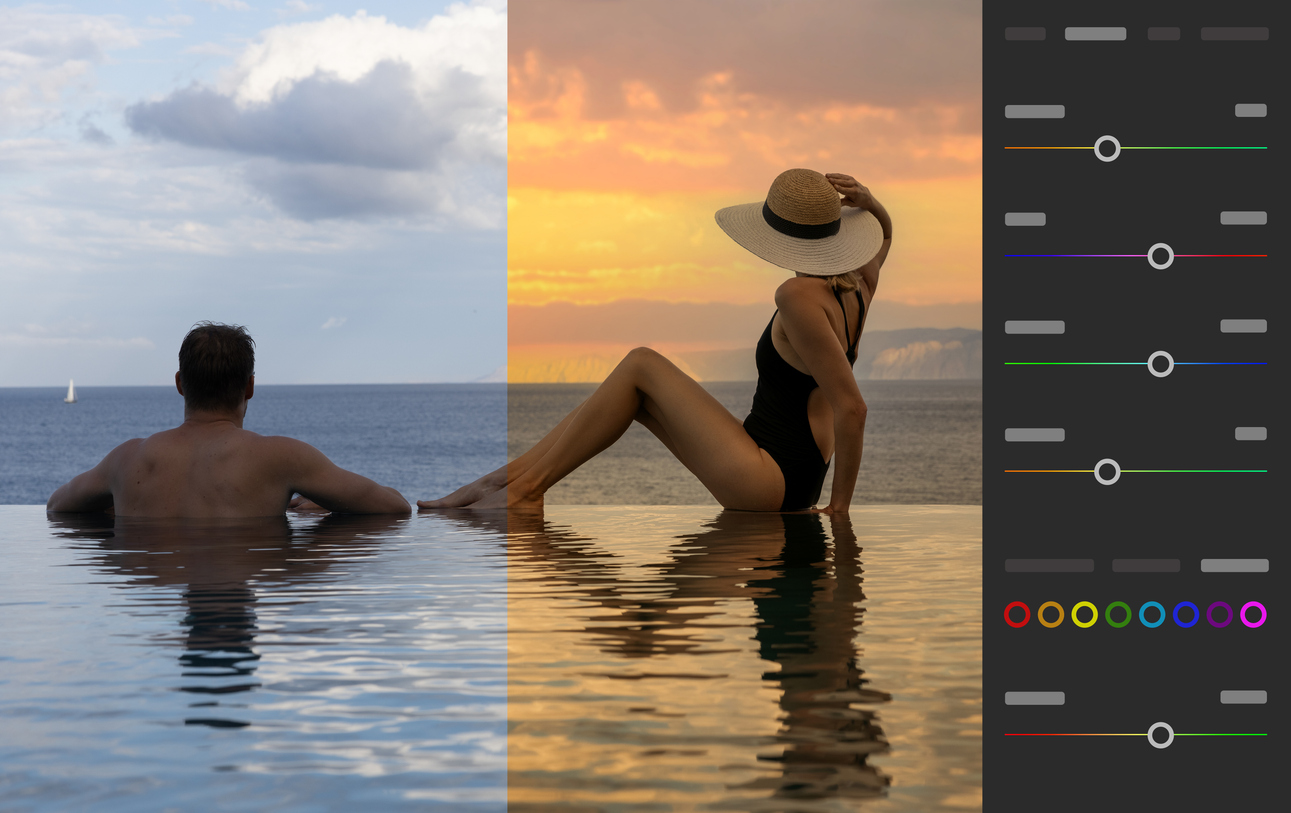
The photograph is not finished in the field
Many photographers treat editing as a correction stage. They adjust exposure, crop distractions, refine color, and prepare the file for display. However, editing can be much more than cleanup. It can become the second act of seeing.
In the field, the photographer responds to light, subject, gesture, and time. Later, during review, the photographer responds to meaning. This is where editing as interpretation in photography begins. The question changes from “Did I capture it?” to “What is this image asking to become?”
Selection is the first interpretation
The most important edit often happens before any slider moves. It happens when you choose one image and leave another behind. That choice is not neutral. It reveals what you value.
A stronger frame may not be the sharpest, brightest, or most dramatic. Instead, it may be the image with the clearest emotional center. Therefore, selection is not merely organization. It is authorship.
Editing as interpretation in photography changes the question
A technical edit asks, “How can I improve this file?” An interpretive edit asks, “What does this photograph mean?” Both questions matter, but they lead to different decisions.
If the image is about stillness, contrast may need restraint. If the image is about tension, shadow may deserve more weight. If the image is about intimacy, a tighter crop may clarify the emotional distance. In each case, technique serves interpretation.
Three editing decisions that shape meaning
1) Cropping defines attention.
Cropping is not simply removing edges. It tells the viewer where the image begins and ends. A small crop can change the relationship between subject and space. As a result, cropping becomes a decision about emphasis.
2) Tone defines atmosphere.
Light and shadow carry emotional weight. A lifted shadow may create openness, while a deeper shadow may create mystery. Because of this, tonal choices should follow the feeling of the image rather than a generic idea of correctness.
3) Sequencing defines context.
A photograph changes when placed beside another photograph. One image may feel quiet alone, but powerful in sequence. Likewise, a strong single frame may weaken a series if it disrupts the rhythm. Editing therefore includes the discipline of relationship.
Editing connects vision to voice
Your editing decisions reveal your priorities. Over time, repeated choices become recognizable. You may discover that you consistently simplify, darken, soften, sharpen, isolate, or sequence in a particular way.
If you’ve explored how repeated decisions form a
photographic voice,
editing is one of the places where that voice becomes visible. The image may begin in the camera, but the voice often becomes clearer during selection and refinement.
The danger of over-editing
Interpretation does not mean forcing an image to become something it is not. In fact, the best edit often feels like a clarification rather than a transformation. It removes confusion without removing truth.
This is why restraint matters. Too much editing can turn a photograph into an argument. However, thoughtful editing lets the image speak more clearly. For a broader reflection on the relationship between making and refining images, see Ansel Adams’s work through
The Ansel Adams Gallery.
A practice: edit for meaning, not polish
The next time you review a set of photographs, delay the urge to correct. Before adjusting exposure, contrast, or color, ask what each image is trying to communicate. Then let that answer guide the edit.
Practice
- Select five images from a recent shoot before making any technical adjustments.
- For each image, write one sentence: “This photograph is about ________.”
- Make only edits that support that sentence.
- Remove one image from the set, even if it is technically strong, if it does not serve the larger meaning.
- Review the final group and ask: “Does the edit clarify what I saw?”
Quick Check
- Did I choose this image for meaning, not only technical quality?
- Does the crop strengthen the subject’s relationship to the frame?
- Do tonal choices support the emotional atmosphere?
- Does this image belong in the sequence, or does it interrupt the rhythm?
Editing as interpretation in photography completes the circle
The field teaches the photographer to respond. The edit teaches the photographer to understand. Together, they form one creative act.
Ultimately, editing as interpretation in photography is not about making an image look impressive. Instead, it is about making the image more faithful to what was seen, felt, and intended. The shutter begins the photograph, but the edit helps it become whole.
Continue in Envision →
View all Envision posts
Jump to:
Learn
Envision
Create
References
- Ansel Adams — “You don’t take a photograph, you make it.”
-
The Ansel Adams Gallery —
Ansel Adams photography and legacy -
Associated blog:
Photographic Voice: When Seeing Becomes Yours -
Associated blog:
Dodge and Burn for Photographers