“Perfection is achieved, not when there is nothing more to add, but when there is nothing left to take away.” — Antoine de Saint-Exupéry
The Power of Restraint: When Less Becomes More
Restraint is not absence. Instead, it is intention made visible through what you choose to leave out.
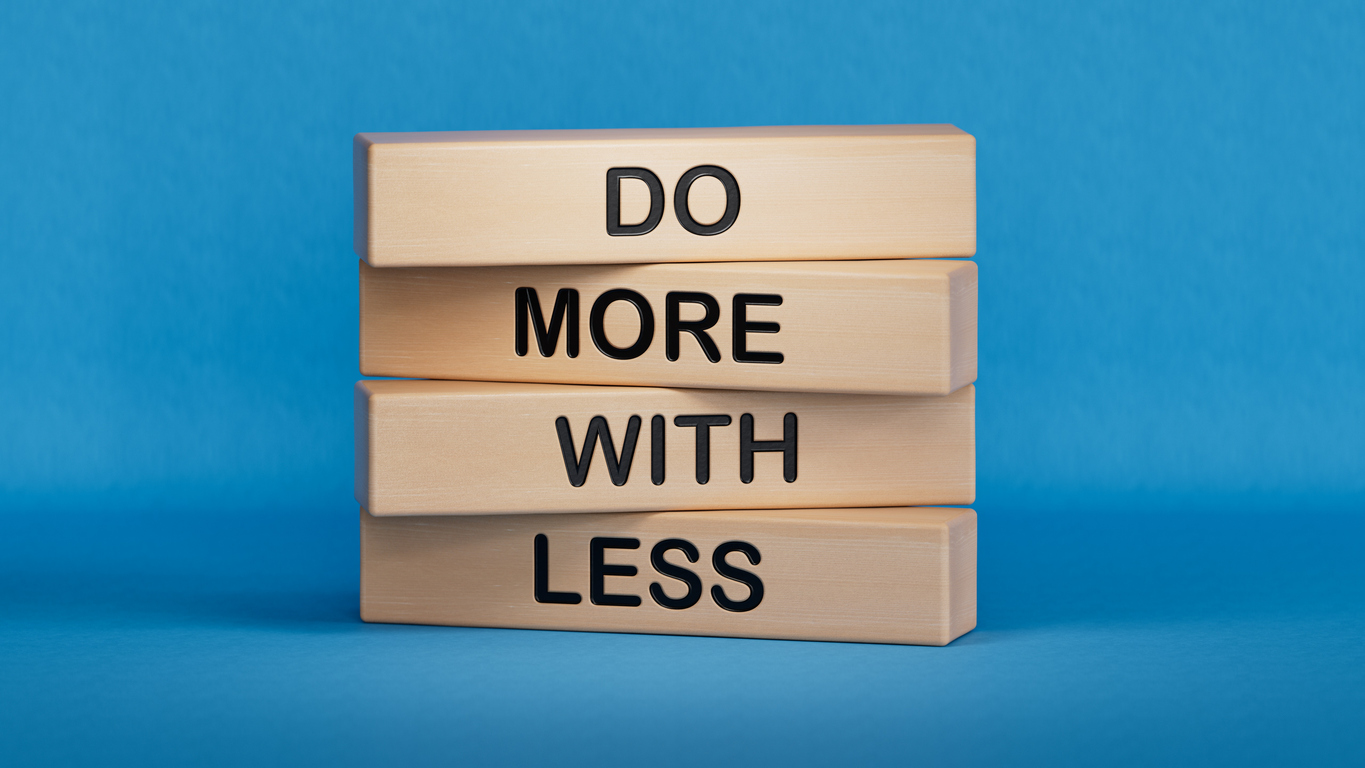
The power of restraint in photography reveals itself slowly. At first, restraint can feel like doing less. However, in practice, it is a deliberate form of control: you subtract so the essential can speak. Because every frame is a set of choices, what you exclude can shape meaning as clearly as what you include.
In other words, restraint clarifies intention. It quiets the image so light, shape, and emotion can take the lead. As a result, the power of restraint in photography can turn simplicity into depth—and an ordinary scene into a lasting photograph.
The Power of Restraint in Photography Is an Active Choice
Restraint is not minimalism for its own sake. Instead, it is a series of conscious decisions made in service of meaning. Each time you remove an element, ask: Does the image become clearer—or does it become emptier?
When restraint works, the photograph becomes more readable and more felt. When it fails, the frame can feel merely sparse. Therefore, the goal is not “less,” but only what matters.
Negative Space: Silence That Speaks
Negative space is restraint made visible. It gives the subject room to breathe, and it can also shift emotional tone—toward quiet, isolation, calm, or anticipation.
Just as importantly, space can slow the viewer down. It creates a pause, and that pause is often where meaning gathers.
Fewer Elements, Stronger Relationships
As elements disappear, relationships intensify. Line speaks more clearly to shape, and light becomes more expressive against shadow.
With fewer competing details, even small gestures—an edge, a reflection, a single bright note—can carry the full weight of the image.
A Simple Restraint Practice
- Compose the image normally.
- Remove one element from the frame (move, reframe, or change height).
- Remove a second element and pause before shooting.
- Compare versions and ask which communicates more clearly.
- Stop when clarity begins to fade.
Repeat this exercise regularly. Over time, you’ll sense the exact moment when subtraction strengthens meaning—and when it starts to hollow the frame.
Continue in Envision → View all Envision posts
Jump to: Learn Envision Create
References
Associated blog(s): Envision — Seeing Beyond the Obvious in Photography
Associated blog(s): Learn — Lesson 6: The Physics of Vision: Why the Eye Loves Contrast