“Do not seek to follow in the footsteps of the wise; seek what they sought.”
— Matsuo Bashō
Consistency vs. Variation in Photography: Building a Cohesive Body of Work
Consistency and variation in photography work together. Consistency gives a body of work identity, while variation keeps it alive.
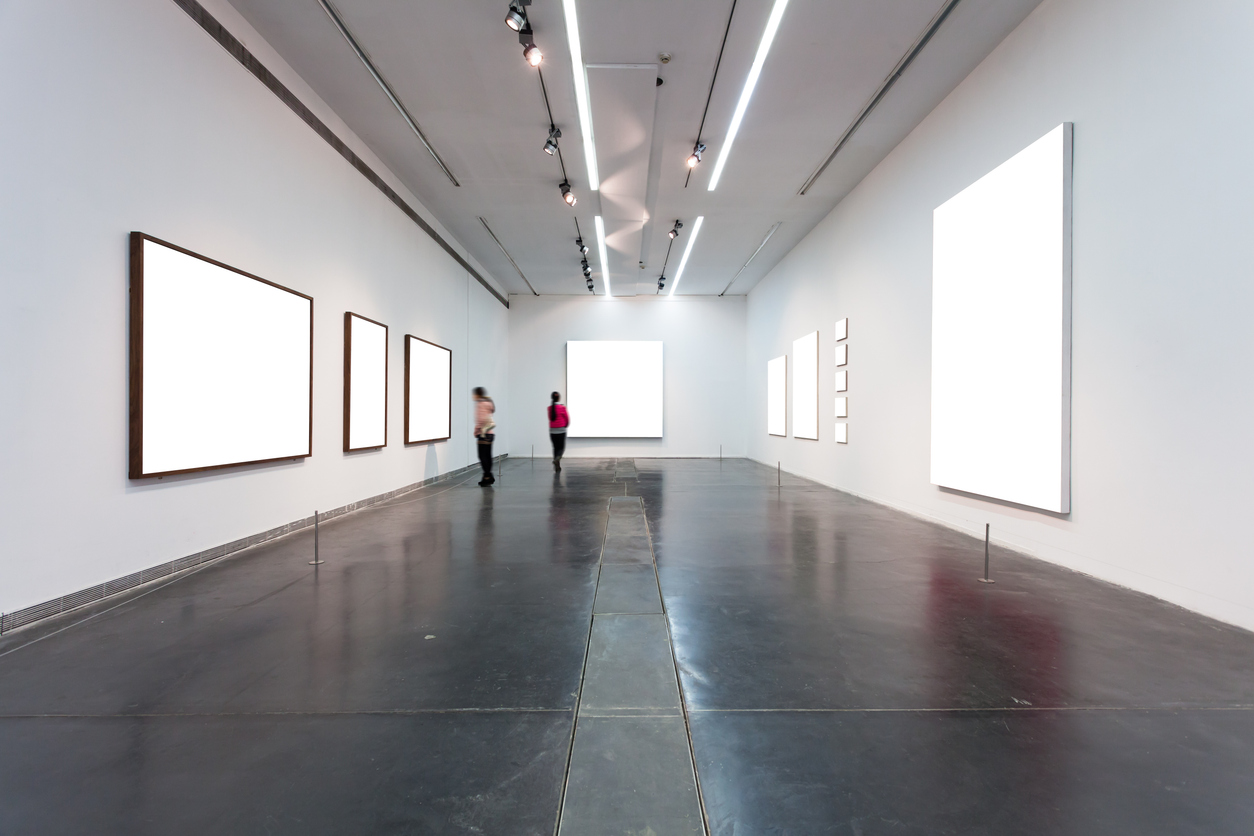
When photographs begin to belong together
A single photograph can succeed on its own. However, a body of work asks for something deeper. Images must begin to speak to one another. They need shared purpose, visual rhythm, and enough difference to keep the viewer engaged.
This is where consistency and variation in photography become essential. Consistency gives the work coherence. Variation gives it movement. Without one, the series feels scattered. Without the other, it becomes repetitive.
Consistency creates recognition
Consistency is not sameness. Instead, it is the presence of recurring decisions. A photographer may return to similar light, subject matter, tonal range, distance, mood, or compositional structure.
Over time, those repeated choices become recognizable. They help viewers sense that the images belong to the same visual mind. If you have explored
photographic voice,
you already know that repetition is one of the ways voice becomes visible.
Variation prevents the work from becoming static
While consistency creates identity, variation creates life. A series that repeats the same idea too closely can begin to feel closed. The viewer understands the pattern too quickly, and curiosity fades.
Variation keeps the work responsive. It may appear through scale, distance, gesture, light, orientation, emotional tone, or sequence. As a result, the viewer feels both recognition and discovery.
Three ways to build cohesion without repetition
1) Repeat the question, not the answer.
A strong series often returns to the same central question: What does solitude look like? How does light reveal form? Where does stillness become tension? Although the question stays consistent, each image can answer it differently.
2) Keep one element stable.
You might hold subject matter steady while varying light. Or you might keep tonal style consistent while changing distance. By anchoring one element, you give the viewer continuity while still allowing the work to breathe.
3) Let rhythm guide the sequence.
Sequencing is where consistency and variation become visible together. A quiet image may need to follow a complex one. A close detail may need to sit beside a wider frame. In this way, the series develops a visual cadence.
Editing is where cohesion is discovered
Cohesion rarely appears fully formed during capture. More often, it becomes clear during review. As you edit, certain images begin to gather around one another. Others, though individually strong, may not belong.
This is why
editing as interpretation in photography
matters so much. Editing is not only about improving individual images. It is also about discovering relationships between them.
Consistency and variation in photography require restraint
The hardest part of building a cohesive body of work is often exclusion. You may have beautiful images that do not serve the series. You may also have quieter images that become necessary because they create rhythm, pause, or transition.
Therefore, the question is not simply, “Is this a good photograph?” A better question is, “What does this image do for the body of work?” For a broader perspective on sequencing and visual storytelling, explore Magnum Photos’
Theory & Practice.
A practice: build a small visual sequence
The next time you review your images, create a small sequence rather than selecting only favorites. Choose photographs that relate, contrast, and develop.
Practice
- Select 12 images from a recent shoot or project.
- Remove any image that is strong alone but does not belong with the others.
- Arrange 5–7 images into a sequence with a beginning, middle, and end.
- Check for one consistent thread: subject, light, mood, color, gesture, or form.
- Then check for variation. Does each image add something new?
Quick Check
- What makes these images feel connected?
- Where does the sequence begin to feel repetitive?
- Which image creates pause, contrast, or transition?
- Does the group feel like a body of work rather than a folder of favorites?
A cohesive body of work feels inevitable
When consistency and variation work together, a series begins to feel inevitable. The images belong together, yet each one contributes something distinct.
Ultimately, consistency and variation in photography help transform isolated successes into a coherent visual statement. Consistency gives the work identity. Variation gives it pulse. Together, they allow a body of work to breathe.
Continue in Envision →
View all Envision posts
Jump to:
Learn
Envision
Create
References
- Matsuo Bashō — “Do not seek to follow in the footsteps of the wise; seek what they sought.”
-
Magnum Photos —
Theory & Practice -
Associated blog:
Editing as Interpretation in Photography -
Associated blog:
Photographic Voice: When Seeing Becomes Yours