Lesson 16 — Balance, Symmetry, and Tension
Balance in photography composition is not about making everything equal. Instead, it is about arranging visual weight so the frame feels stable, intentional, and emotionally clear. Sometimes that stability is calm; other times, deliberate imbalance creates tension that energizes the image.
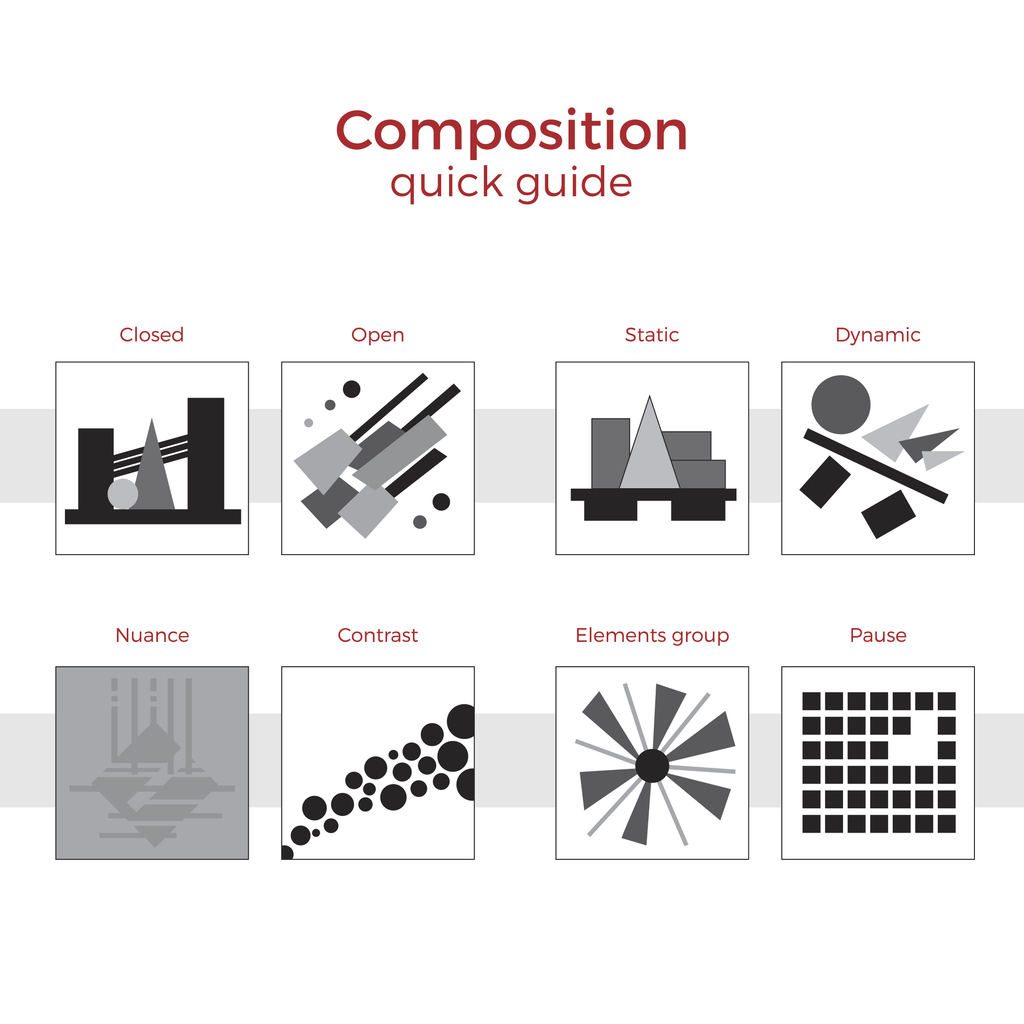
1) What Balance Means in Photography Composition
Balance in photography composition is the feeling that the frame “holds together.” The viewer may not consciously name it; however, they feel it immediately. Balance happens when the main elements relate in a way that seems intentional—either stable, dynamic, or purposefully uneasy.
In practice, balance is shaped by visual weight: how heavy or dominant an element feels compared to others.
2) Visual Weight: What Feels Heavy to the Eye
Different elements carry different visual weight. For example, a small bright highlight can outweigh a larger dark area, and a human face can outweigh almost anything.
- Brightness: brighter areas feel heavier.
- Contrast: strong contrast pulls attention first.
- Color: saturated colors often feel heavier than muted tones.
- Sharpness: crisp detail carries more weight than blur.
- Meaning: faces, text, and symbols feel heavy because they matter.
Therefore, balancing a frame is often less about geometry and more about controlling what demands attention.
3) Symmetry: Calm, Order, and Stillness
Symmetry is balance through mirroring. When the left and right (or top and bottom) echo each other, the image feels stable and complete. As a result, symmetry often communicates calm, formality, and timelessness.
Use symmetry when the subject itself is about order: architecture, reflections, centered portraits, and minimalist design.
4) Asymmetry: Energy, Story, and Movement
Asymmetry creates balance through unequal parts. In other words, the frame can still feel “right” even when it is not mirrored. For example, a strong subject on one side can be balanced by negative space, a secondary element, or a directional line.
Consequently, asymmetry is often more cinematic: it suggests motion, narrative, and discovery.
5) Tension: Deliberate Imbalance that Works
Tension appears when the balance is close—but not resolved. The viewer feels slight unease, and that unease creates energy. However, tension must be intentional. Otherwise, it reads as sloppy framing.
Common ways to create useful tension include:
- placing the subject near (but not touching) an edge
- using diagonals that feel active rather than settled
- leaving an “empty” area that feels emotionally charged
- introducing an imbalance that matches the story (distance, isolation, uncertainty)
In practice, tension is a tool for emotional honesty.
6) Practical Field Methods to Build Balance
- Squint test: squint to simplify the scene into big shapes and see where weight falls.
- Edge scan: check the borders for bright distractions that unbalance the frame.
- Move your feet: a small step can shift weight dramatically.
- Use negative space: allow emptiness to act as a counterweight, not a mistake.
As a result, you can create balance in photography composition even in complex scenes.
Hands-On: Three Balances, One Subject
- Create one symmetrical composition (centered stability).
- Create one asymmetrical composition (balanced by counterweight).
- Create one tension composition (nearly balanced, intentionally unresolved).
Keep the same subject. Change only your framing and position. Then compare how the emotional tone shifts.
Quick Check (3 Questions)
- What factors increase visual weight in a photograph?
- Why does symmetry often feel calm and complete?
- How can tension strengthen a story instead of distracting from it?
Glossary
- Balance
- The feeling that visual elements relate in a stable or intentionally unstable way.
- Visual Weight
- The perceived dominance of an element based on brightness, contrast, color, sharpness, or meaning.
- Symmetry
- Balance created through mirroring across an axis.
- Asymmetry
- Balance created through unequal parts that still feel intentional.
- Tension
- Deliberate near-imbalance that creates energy and emotional charge.
Continue in Learn → View all Learn lessons
Jump to: Learn Envision Create
References
- Cambridge in Colour — Composition fundamentals (visual balance)
- Associated blog(s): Lesson 15 — Gestalt Principles in Composition
- Associated blog(s): Create — Creative Photo Sequencing: Building Visual Stories