“Style is a way to say who you are without having to speak.”
— Rachel Zoe
Finding Your Photographic Voice: When Seeing Becomes Recognizable
Your photographic voice is not something you invent—it is something that reveals itself when your way of seeing becomes consistent enough to be recognized.
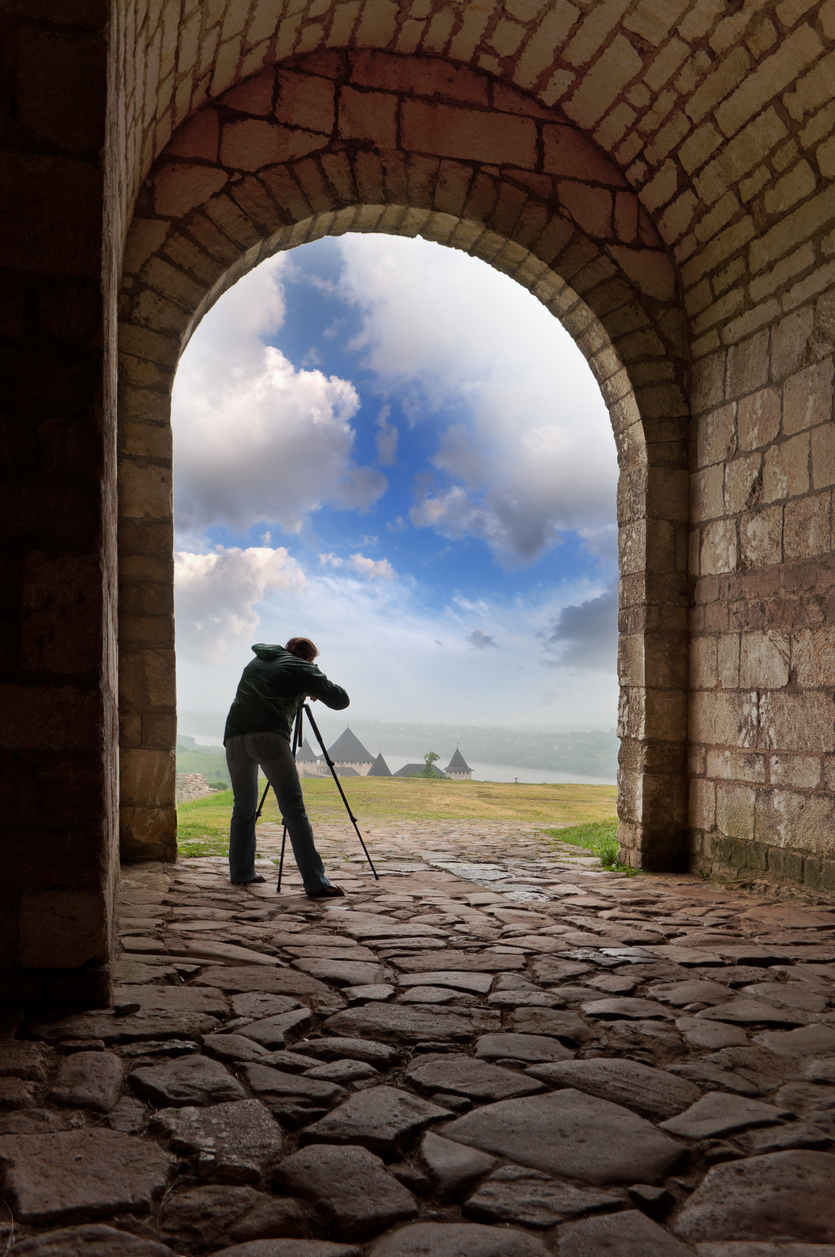
What we misunderstand about photographic voice
Many photographers believe they must “find” their voice as if it were hidden somewhere outside themselves.
However, voice is not discovered—it is revealed.
It emerges from repetition, preference, and attention applied over time.
In practice, your photographic voice is already present in the images you are naturally drawn to make.
The question is not whether you have a voice.
The question is whether you are consistent enough to recognize it.
Voice is the result of repeated intent
If intent defines what an image is about, then voice defines how you tend to express it.
This connection is not theoretical—it is observable.
When you return to similar subjects, compositions, or emotional tones, patterns begin to appear.
Over time, those patterns accumulate.
They form a visual language: a way of framing, simplifying, emphasizing, and waiting.
That language becomes your photographic voice.
Three patterns that reveal your voice
1) What you are drawn to.
Notice what repeatedly catches your attention.
Certain types of light, subjects, or moods will appear again and again.
These are not accidents—they are clues.
2) How you simplify.
Every photographer removes complexity differently.
Some reduce to minimal forms, others retain layered detail.
Your method of simplification is one of the clearest expressions of your voice.
3) What you emphasize.
Do you prioritize light, gesture, structure, or emotion?
What you choose to emphasize—and what you consistently allow to recede—defines how your images communicate.
Recognition comes before refinement
Before you can refine your voice, you must first recognize it.
This requires stepping back from individual images and looking at your work as a whole.
If you’ve explored how intent shapes your images in
Clarity of Intent in Photography,
you’ll notice that voice is simply intent repeated consistently over time.
Recognition does not require judgment.
It requires observation.
Patterns appear whether you intend them to or not.
A practical method: reviewing your own work
One of the most effective ways to understand your photographic voice is to review your own images without editing them.
Look for repetition, not perfection.
Practice
- Select 20–30 of your recent photographs.
- Lay them out without editing or ranking them.
- Look for repeated elements: light, subject, framing, mood.
- Write down three patterns you notice.
- On your next shoot, consciously lean into one of those patterns.
Quick Check
- What do I photograph repeatedly, even without planning to?
- How do I tend to simplify my frames?
- What do my images consistently emphasize?
- Are my images beginning to feel connected?
Photographic voice is a long-term emergence
A photographic voice does not appear quickly.
It develops through sustained attention and repeated decisions.
It is shaped not by isolated successes, but by consistency.
Over time, your images begin to relate to one another.
They form a body of work rather than a collection of individual moments.
When that happens, your voice becomes recognizable—not only to others, but to you.
That is the deeper meaning of developing a photographic voice.
It is not about standing out.
It is about becoming coherent.
Continue in Envision →
View all Envision posts
Jump to:
Learn
Envision
Create
References
- Rachel Zoe — “Style is a way to say who you are without having to speak.”
-
Rick Rubin —
The Creative Act: A Way of Being -
Associated blog:
Clarity of Intent in Photography: See With Purpose -
Associated blog:
Local Contrast for Photographers