Lesson 28 — Minimalism in Photography: The Power of Less
Minimalism in photography is the discipline of removing everything nonessential so the subject, space, and feeling become unmistakably clear.
1) Minimalism Is Not Emptiness
Many photographers misunderstand minimalism as “not enough.” In reality, minimalism in photography is not the absence of content; it is the presence of intention. A minimal image does not feel incomplete. Instead, it feels distilled. Moreover, minimalism is one of the clearest ways to strengthen visual literacy. When fewer elements are present, each remaining element matters more. As a result, shape, edge, tone, texture, and placement become more visible—and more meaningful.
2) Reduction Reveals What Matters
The central act of minimalism is reduction. You remove distractions until the subject and the surrounding space form a clean relationship. This can happen through cropping, camera position, focal length choice, background simplification, or waiting for a cleaner moment. Importantly, reduction does not mean stripping away all context. It means removing what weakens the message. Therefore, the question is not “How little can I include?” but rather “What is essential, and what is noise?”
3) Negative Space Is Structure, Not Empty Background
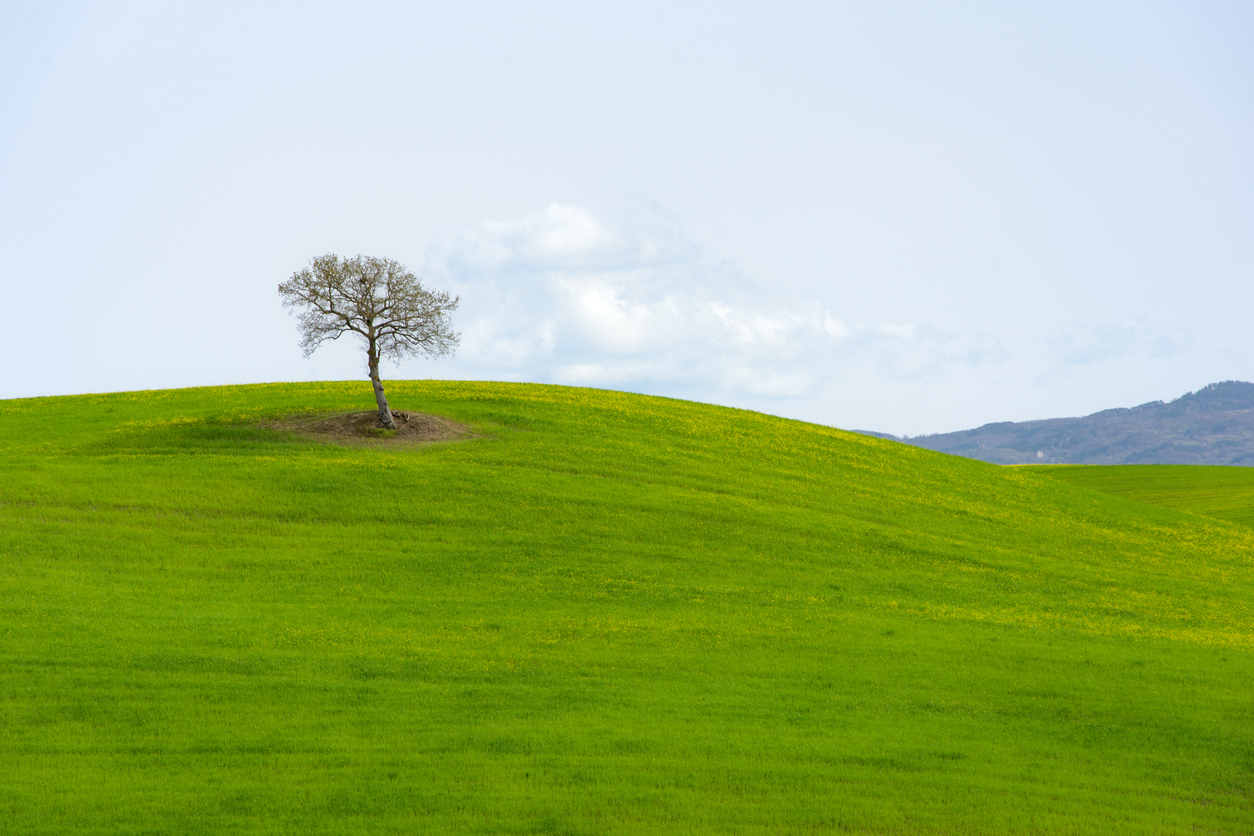
Negative space is often the architecture of a minimal photograph. It is not wasted space. It is active space—the field that gives the subject room to breathe, contrast, and resonate. In addition, negative space can create mood. Large areas of emptiness may feel calm, lonely, contemplative, or even tense depending on how the subject is placed. Consequently, the “empty” part of the frame is often doing as much emotional work as the subject itself.
4) Why Fewer Elements Increase Visual Weight
In a crowded frame, attention is divided. In a minimal frame, attention concentrates. This is why a small subject can become powerful when surrounded by simplicity. Furthermore, minimalism strengthens hierarchy almost automatically. With fewer competing forms, the subject’s importance becomes obvious. Tone, color, or gesture no longer have to fight through clutter. They can speak quietly and still be heard.
5) Minimalism and Tension Work Together
Minimalism is not always peaceful. In fact, it can intensify tension. A lone subject pressed toward the edge of a large empty field can feel more urgent than the same subject in a busy scene. Why? Because the eye has nowhere else to go. Therefore, minimalism often amplifies psychological force. It concentrates the viewer’s attention onto a small number of relationships: subject versus space, light versus shadow, stillness versus movement. This is why restraint is such a powerful artistic choice.
6) Minimalism Requires Discipline at Capture
While editing can simplify a frame, the strongest minimal photographs are usually made through seeing, not fixing. This means moving your feet, checking the edges, waiting for distractions to leave, and being willing to exclude attractive but unnecessary elements. In practice, minimalism is an act of refusal: refusing clutter, refusing excess, and refusing to let secondary details dilute the emotional core of the image. For that reason, minimalism is as much about restraint as it is about design.
Hands-On Practice: Reduce One Scene Three Times
- Frame A (Full context): photograph the scene as you first encounter it.
- Frame B (Simplified): remove or exclude one distracting element.
- Frame C (Minimal): reduce the frame to the subject and the most important surrounding space.
- Compare all three: which version has the clearest message?
- Refine once more: check every edge and remove one additional distraction.
Quick Check
- What is the one element the viewer must see first?
- Is the surrounding space supporting the subject or merely filling the frame?
- Would removing one more element strengthen the image?
- Does the simplicity create calm, tension, or both?
Glossary
- Minimalism
- A compositional approach that reduces the frame to essential elements for maximum clarity and impact.
- Negative space
- The open or unoccupied area around the subject that helps define structure, balance, and mood.
- Subject isolation
- The clear separation of the subject from distractions through space, tone, light, or focus.
- Visual silence
- The calm or concentrated feeling created by compositional simplicity and restraint.
- Reduction
- The deliberate removal of nonessential elements from the frame.
Continue in Learn → View all Learn posts
Jump to: Learn Envision Create
References
- External reference: Encyclopaedia Britannica — Minimalism
- External reference: Tate — Minimalism
- Associated blog: Stillness in Photography
- Associated blog: Lesson 27 — Visual Tension in Photography