Lesson 37 — Time in Photography: Capturing the Fleeting and the Enduring
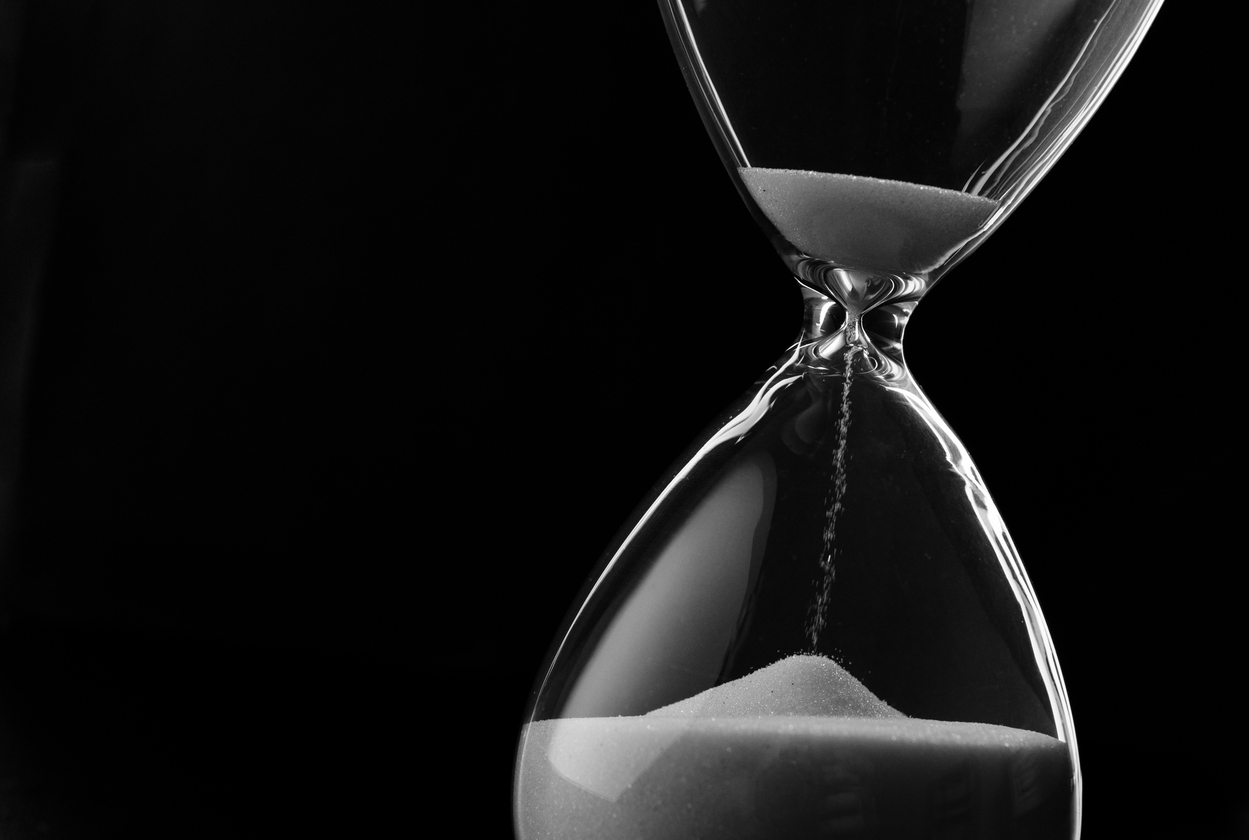
Time in photography is more than shutter speed—it is the way an image holds a moment, suggests change, and reminds us that nothing stays exactly the same.
1) Time in Photography Begins with the Moment
Every photograph is a small interruption in the flow of time. The scene continues, the light changes, the subject moves, and yet the image remains. Time in photography begins with this tension: the camera preserves what life immediately carries away. Therefore, photography is never only about what something looked like. It is also about when it was seen, why that moment mattered, and what changed the instant after the shutter closed.
2) The Fleeting Moment
Some photographs depend on timing so precise that a fraction of a second changes everything. A gesture, glance, wave, bird, falling petal, or passing shadow may exist only briefly. In these cases, the photograph becomes a record of attention meeting opportunity. However, fleeting does not always mean fast. Sometimes the fleeting moment is quiet: a temporary reflection, a brief opening in clouds, or the last warm light on a surface before evening arrives.
3) The Enduring Moment
Other images feel slow, grounded, and enduring. A mountain, doorway, tree, or still object may appear almost timeless. Yet even these subjects contain time. Stone erodes. Flowers open and fade. Buildings weather. Light shifts across surfaces. As a result, enduring subjects often gain power when the photographer reveals subtle evidence of change. Texture, patina, shadow, growth, and decay all remind the viewer that permanence is never absolute.
4) Motion, Stillness, and Implied Time
Time can be shown directly through motion blur, long exposure, or frozen movement. Yet it can also be suggested indirectly. A path leading away, a chair left empty, or a flower just beginning to open can imply before and after. In this way, still photographs can feel active. They do not move, but they allow the viewer to imagine movement around them. Consequently, implied time often strengthens storytelling because it invites the viewer to complete the sequence.
5) Memory as Photographic Time
Photographs also carry emotional time. An image can feel like memory even when the viewer has never been there. Soft light, muted color, familiar objects, and quiet space can all suggest recollection. Moreover, memory changes how time is felt. A photograph may feel nostalgic, unresolved, tender, distant, or sacred depending on its atmosphere. Therefore, time in photography is not only chronological. It is also emotional.
6) Presence Changes Timing
Presence teaches the photographer to wait differently. Instead of forcing an image, the photographer observes how the scene evolves. The best moment may not be the first one. It may arrive after the light softens, the wind pauses, the subject settles, or the photographer finally understands what matters. Because of this, time and presence are deeply connected. The more fully you remain with a subject, the more likely you are to recognize the moment that carries meaning.
7) Choosing the Right Kind of Time
Before making an image, ask what kind of time the photograph should hold. Is it a decisive instant, a slow observation, a memory, a transition, or a sign of change? Once that decision is clear, choices about shutter speed, framing, light, and composition become more intentional. Ultimately, time in photography is not only captured by the camera. It is shaped by the photographer’s awareness.
Hands-On Practice: Photograph Three Kinds of Time
- Fleeting time: photograph a passing gesture, shadow, reflection, or movement.
- Enduring time: photograph a subject that suggests permanence, texture, age, or quiet stability.
- Emotional time: photograph a scene that feels like memory, waiting, or transition.
- Compare the three images: which one feels most alive, and which one feels most lasting?
- Refine one image: adjust timing, framing, or light so the sense of time becomes clearer.
Quick Check
- What kind of time does the image hold: fleeting, enduring, implied, or emotional?
- Does the photograph suggest a before or after?
- Is timing central to the image’s meaning?
- Would waiting longer strengthen the photograph?
- Does the image feel like documentation, memory, or experience?
Glossary
- Time in photography
- The way a photograph captures, suggests, preserves, or transforms the experience of time.
- Fleeting moment
- A brief visual event that depends on timing, attention, and readiness.
- Implied time
- The sense of before, after, movement, or change suggested within a still image.
- Enduring time
- A slower sense of time suggested by permanence, age, texture, or lasting presence.
- Emotional time
- The felt experience of time through memory, nostalgia, waiting, longing, or transition.
Continue in Learn → View all Learn posts
Jump to: Learn Envision Create
References
- External reference: Tate — Time-based media and duration in art
- External reference: MoMA Learning — Themes and visual interpretation
- Associated blog: Lesson 36 — Presence in Photography
- Associated blog: The Art of Waiting: Patience as a Photographic Skill