Lesson 36 — Presence in Photography: Learning to Truly See
Presence in photography is the practice of sustained attention—slowing down long enough to notice what light, subject, and feeling are quietly revealing.
1) Presence in Photography Begins Before the Camera
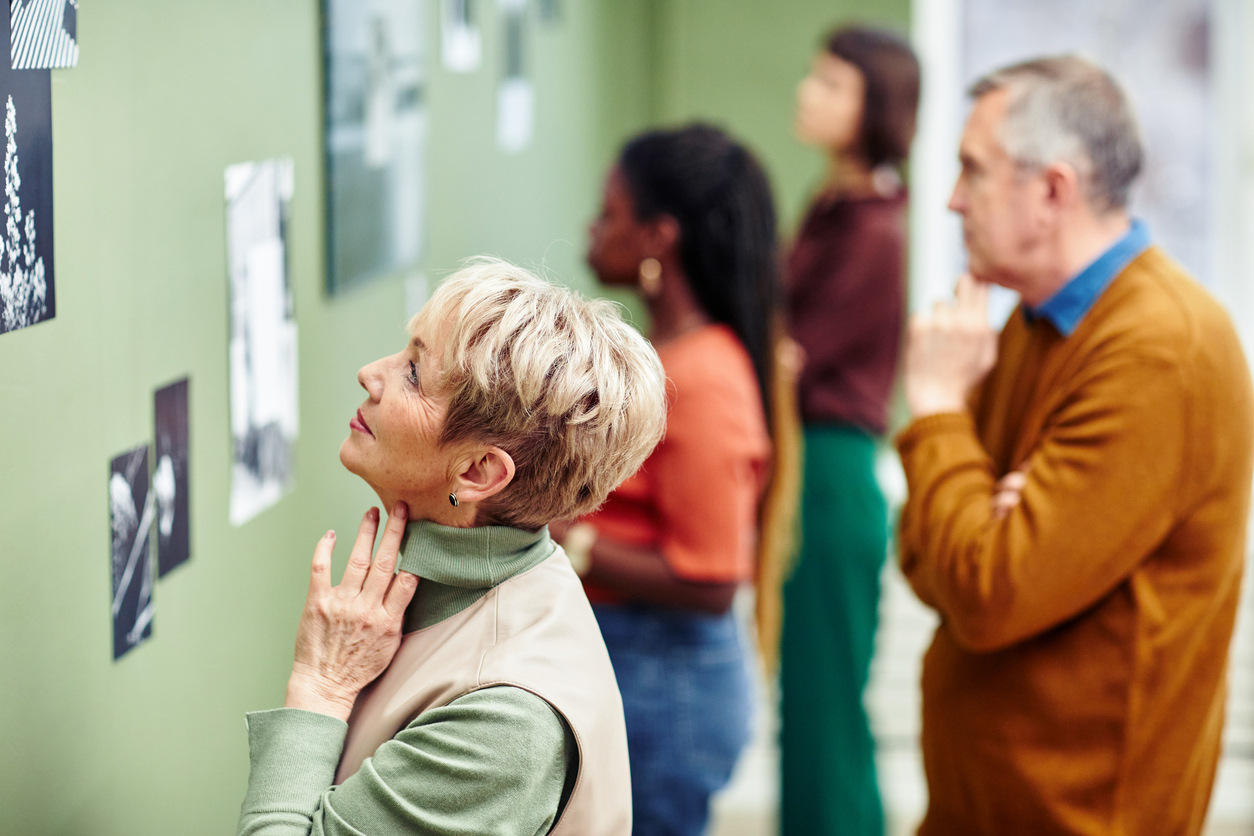
Most people look quickly. Photographers learn to remain. Presence in photography begins before exposure, before composition, and even before the camera is raised. It begins with attention. Instead of rushing toward an image, presence asks the photographer to stay with the scene. As a result, the photograph becomes less about grabbing what is obvious and more about recognizing what slowly appears.
2) Seeing Is Different from Looking
Looking is fast. Seeing is patient. Looking identifies objects, while seeing notices relationships: how light falls, how space breathes, how a gesture changes, how silence gathers around a subject. Therefore, presence in photography is not passive. It is active observation. The photographer is not merely waiting for something to happen; instead, the photographer is becoming sensitive enough to notice what is already happening.
3) Attention Is a Photographic Skill
Attention can be trained. Just as exposure, focus, and composition improve with practice, awareness improves through repeated acts of noticing. Over time, small differences become visible: a shift in shadow, a softened edge, a momentary expression, a color relationship, or a quiet alignment of forms. Consequently, attention becomes one of the photographer’s most important tools. The better you attend, the more the world gives back.
4) Stillness Reveals What Speed Misses
Speed often produces reaction. Stillness allows recognition. When you slow down, you begin to see patterns that are not obvious at first glance. You notice how the subject changes with time, how the background competes or calms, and how the emotional tone of the scene evolves. However, stillness does not mean hesitation. Rather, it means readiness. The present photographer is quiet enough to observe, yet prepared enough to act when the image arrives.
5) Presence Strengthens Photographic Voice
Photographic voice does not emerge from constant novelty. It grows from repeated attention to what genuinely matters. Because of this, presence and voice are deeply connected. When you remain with a subject, you begin to discover why it calls to you. Perhaps it is the curve of a petal, the restraint of shadow, the dignity of stillness, or the quiet tension between forms. Eventually, these acts of attention become recognizable as your way of seeing.
6) Presence Changes the Viewer’s Experience
A photograph made with presence often invites presence in return. The viewer feels that the image was not rushed. There is room to enter, pause, and look again. In this way, presence in photography affects both maker and viewer. The photographer slows down to see more deeply, and the viewer is quietly encouraged to do the same.
7) Learning to Stay with the Image
Presence is not only a field practice. It is also an editing practice. When reviewing images, resist the urge to judge too quickly. Some photographs announce themselves immediately, while others reveal their strength slowly. Therefore, give certain images time. Return to them later. Ask what continues to hold your attention. Often, the photograph that remains quietly alive after repeated viewing is the one that carries the deepest presence.
Hands-On Practice: The Ten-Minute Seeing Exercise
- Choose one subject: a flower, doorway, shadow, tree, object, reflection, or patch of light.
- Do not photograph immediately. Spend three full minutes simply observing.
- Notice changes: light, background, edge relationships, mood, gesture, and visual tension.
- Make one frame that records your first impression.
- Wait again, then make a second frame based on deeper observation.
- Compare both images: which one feels more truly seen?
Quick Check
- Did you photograph quickly, or did you allow the subject to reveal itself?
- What changed after you stayed with the scene longer?
- Did deeper attention alter your composition?
- Does the final image invite the viewer to slow down?
- What recurring subject or feeling keeps asking for your attention?
Glossary
- Presence
- The state of sustained awareness and attention during the act of seeing and photographing.
- Attention
- The focused act of noticing visual, emotional, and spatial relationships within a scene.
- Stillness
- A deliberate slowing of perception that allows subtle details and meanings to emerge.
- Awareness
- The broader sensitivity to light, subject, mood, timing, and meaning.
- Observation
- The disciplined practice of watching carefully before making photographic decisions.
Continue in Learn → View all Learn posts
Jump to: Learn Envision Create
References
- External reference: MoMA Learning — Themes and visual interpretation
- External reference: Tate — Phenomenology and experience in art
- Associated blog: Lesson 35 — Photographic Voice
- Associated blog: Clarity of Intent in Photography: See with Purpose