Lesson 29 — Visual Flow in Photography: Guiding the Eye Through the Frame
Visual flow in photography is the path the eye follows through an image—where it enters, where it pauses, and how it moves from one element to the next.
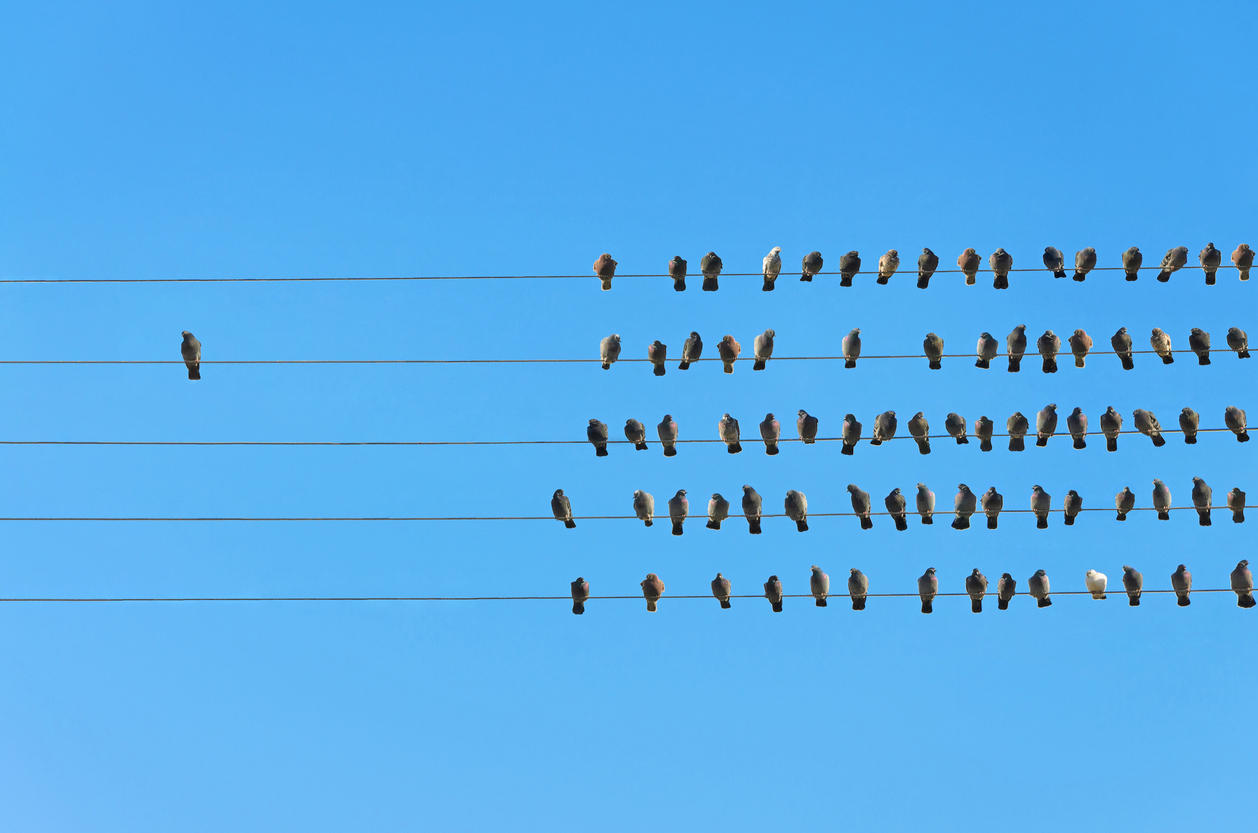
1) Flow Is What Makes a Photograph Move
A photograph does not literally move, yet some images feel dynamic while others feel static. The difference is often visual flow in photography—the way the eye travels through the frame. Flow gives the viewer a path. It creates direction, momentum, and continuity. Moreover, flow is one of the reasons a strong photograph holds attention for more than a glance. The eye does not stop at the subject; it keeps exploring. Therefore, flow is not just about where the eye starts. It is about how the entire image unfolds over time.
2) Flow Is Not the Same as Rhythm
Rhythm and flow are related, but they are not identical. Rhythm is created by repetition, spacing, and variation. Flow is created by direction and sequence. For example, a row of repeating windows can create rhythm. However, if those windows do not lead the eye anywhere, the image may have rhythm without flow. Conversely, a single diagonal shadow or curving branch may create strong flow even without obvious repetition. As a result, flow is less about “beat” and more about travel.
3) Entry Points, Pause Points, and Exit Points
The eye usually enters a photograph through a high-weight element: a bright highlight, a sharp subject, a face, a strong color, or a directional line. This is the entry point. Then the eye often pauses at moments of emphasis—secondary subjects, intersections, tonal contrasts, or meaningful details. Finally, the eye either exits the frame or loops back inward. The most satisfying images often encourage a loop rather than an abrupt exit. Therefore, when designing flow, ask three questions: Where does the eye enter? Where does it rest? Where does it go next?
4) The Tools That Create Visual Flow
Several compositional tools guide flow:
- Leading lines — roads, shadows, stems, branches, architectural edges
- Curves and arcs — gentler movement than straight lines
- Gaze and gesture — where a subject is looking or leaning
- Light sequencing — a chain of highlights pulling the eye across the frame
- Repeating forms — when arranged directionally, rhythm becomes flow
- Depth cues — foreground to background travel creates spatial movement
Importantly, flow does not need to be obvious. In quiet images, it may be subtle—a slow drift through tonal transitions or a delicate movement from one layer to another. Quiet flow can be just as powerful as dramatic flow.
5) Flow and Storytelling
Flow is one of the hidden engines of narrative. If the eye moves meaningfully, the image feels intentional. If the eye gets stuck or escapes too quickly, the story weakens. In practice, flow often determines whether the viewer experiences the image as a single statement or as a sequence of discoveries. This is especially important in botanical, architectural, and landscape photography, where multiple details compete for attention. Consequently, strong flow helps transform visual information into visual experience.
6) Flow Can Be Controlled at Capture
Flow is not something you add later. It is usually established in the moment of seeing. You control it by moving your position, changing your framing, waiting for better light, or excluding elements that interrupt the eye path. Furthermore, purposeful light can strengthen flow dramatically. A chain of illuminated forms, a diagonal highlight, or a sequence of bright-to-dark transitions can pull the eye through the frame with elegance. That is why light is not only descriptive—it is directional.
Hands-On Practice: Design an Eye Path
- Choose a scene with natural direction: a path, shoreline, row of flowers, hallway, fence, or branching form.
- Identify an entry point: what will the eye see first?
- Add a pause point: include a secondary detail or tonal emphasis that holds attention briefly.
- Check the exit: does the eye leave too quickly, or does it loop back into the frame?
- Shoot three versions: one with straight lines, one with curves, and one with stronger light sequencing.
- Review quickly: which frame keeps your eye engaged the longest?
Quick Check
- Where does the viewer’s eye enter the frame?
- What keeps the eye moving rather than stopping abruptly?
- Is there a pause point or secondary moment of emphasis?
- Does the eye leave the frame too easily, or does the composition invite return?
Glossary
- Visual flow
- The path the eye follows through an image from entry point to exit or return.
- Entry point
- The first element that captures the viewer’s attention.
- Pause point
- A secondary area of emphasis where the eye briefly rests before moving on.
- Sequencing
- The deliberate arrangement of visual elements so the eye encounters them in an intentional order.
- Looping composition
- A composition that encourages the eye to circle back into the frame rather than exit quickly.
Continue in Learn → View all Learn posts
Jump to: Learn Envision Create
References
- External reference: Encyclopaedia Britannica — Composition (visual arts)
- External reference: Cambridge in Colour — Composition fundamentals
- Associated blog: Lesson 13 — Practical Exercise: Photographing with Purposeful Light
- Associated blog: Lesson 21 — Visual Rhythm in Photography: Repetition, Pattern, and Flow